Best fertilizer for fig trees

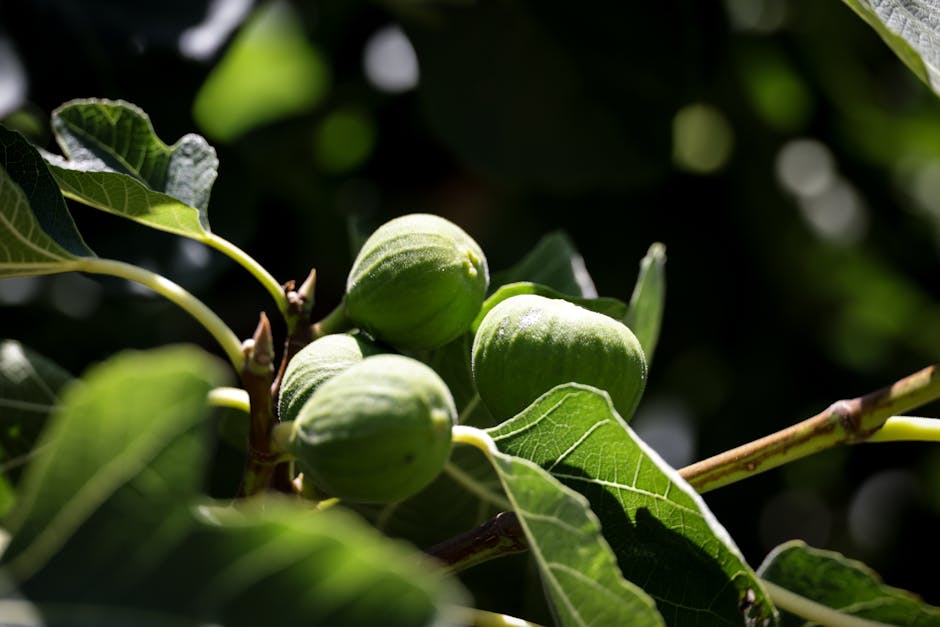
The best fertilizer for fig trees is a balanced 10-10-10 granular fertilizer for young trees, or a low-nitrogen option like 5-10-10 for established trees that are already growing well but not producing enough fruit. Common fig (Ficus carica) is one of the easiest fruit trees to grow in Northern California, and most figs need very little feeding. The mistake I see neighbors make over and over is dumping high-nitrogen fertilizer at the base and wondering why they get a jungle of leaves and zero figs. Less is more with this tree.
What NPK ratio should you use on a fig tree?
NPK stands for nitrogen (N), phosphorus (P), and potassium (K). Each number on the bag tells you the percentage by weight. A 10-10-10 fertilizer is 10% nitrogen, 10% phosphorus, 10% potassium.
For figs, the ratio matters more than the strength. Here is what works:
Young trees (1-3 years old): Use a balanced 10-10-10. Young figs need nitrogen to build their canopy and root system. Apply half a cup of granular 10-10-10 in late February, scattered in a ring 12 inches from the trunk out to the drip line. Water it in.
Established trees (4+ years): Switch to a lower-nitrogen blend. A 5-10-10 or 8-8-8 is plenty. Figs are not heavy feeders. An established fig in decent soil might not need any fertilizer at all. If your tree is putting on 12-18 inches of new growth per year and setting fruit, leave it alone.
Trees producing leaves but no fruit: Drop the nitrogen entirely for one season. Use bone meal (0-10-0) and sulfate of potash (0-0-50). This tells the tree to stop growing vegetatively and start putting energy into fruit. I did this with a Brown Turkey that was all canopy and no figs. The next summer it loaded up.
Potassium is the overlooked nutrient for figs. Research on Ficus carica suggests ratios closer to 2-1-3 or 1-1-2 (nitrogen-phosphorus-potassium) are closer to what figs actually want during fruit development. Potassium strengthens cell walls, improves sugar content in the fruit, and helps the tree handle temperature swings.
When should you fertilize a fig tree?
Timing is simple. Two windows per year, and the second one is optional.
First application: late February to early March. Apply before new growth starts. In zones 8-9 (Sacramento, Bay Area inland valleys), fig buds start swelling in late February. You want nutrients in the root zone before the tree breaks dormancy. Soil temperatures above 40 degrees F activate root uptake, and Sacramento Valley soil hits that by mid-February most years. If you are fertilizing your other fruit trees in February, do the figs at the same time.
Second application (optional): mid-May. A lighter feeding, about half the February rate, gives a boost during fruit development. Only do this if your tree looks like it needs help. Yellow-green leaves or slow growth means it could use the extra feed. A healthy, dark-green tree with good fruit set can skip this entirely.
Stop feeding after June. Late fertilizer pushes soft new growth that will not harden off before frost. Even in mild NorCal winters, a November cold snap can kill tender shoots and set the tree back. I learned this lesson on a peach tree years ago. Same principle applies to figs.
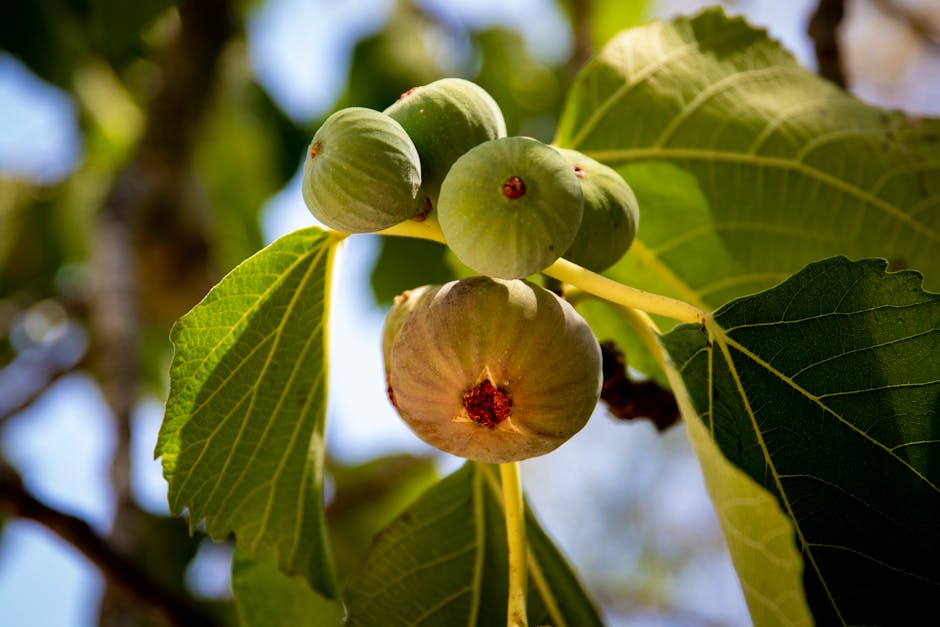
Which fig varieties grow best in Northern California?
Not all figs perform equally here. After growing four varieties and watching my neighbors try a dozen more, here is what I recommend for zones 8-9:
Black Mission is the classic California fig. Large tree, prolific producer, deep purple fruit with that rich, jammy sweetness. Needs heat to ripen properly. It thrives in Sacramento and the Central Valley. In cooler Bay Area microclimates, plant it against a south-facing wall or it will struggle to ripen a full crop.
Brown Turkey is the most forgiving variety. Smaller tree (15-25 feet), adapts to almost any NorCal microclimate, and produces reliable crops even in cooler summers. If you are planting your first fig, plant a Brown Turkey. You will not regret it.
Kadota (also called White Kadota) produces greenish-yellow figs with amber flesh. Sweet, less seedy than Mission, and excellent for preserves. It handles Sacramento heat without flinching. Great second tree if you already have a Brown Turkey.
White Genoa does well in the Bay Area where summer temperatures stay moderate. The fruit is lighter and milder than Mission or Brown Turkey. Good choice if you are in zones 9b-10a near the coast.
Desert King is the cold-hardy pick. It produces a heavy breba crop (fruit on last year’s wood) in early summer, which means it fruits reliably even in cooler areas where the main crop might not ripen. Zones 7-9. If you are in the Sacramento foothills where winter lows dip into the low 20s, Desert King is your best bet.
My picks: Brown Turkey for beginners, Black Mission if you have the heat, Desert King if you get cold winters. A 5-gallon fig tree runs $25-45 at most NorCal nurseries. A 15-gallon specimen costs $60-100.
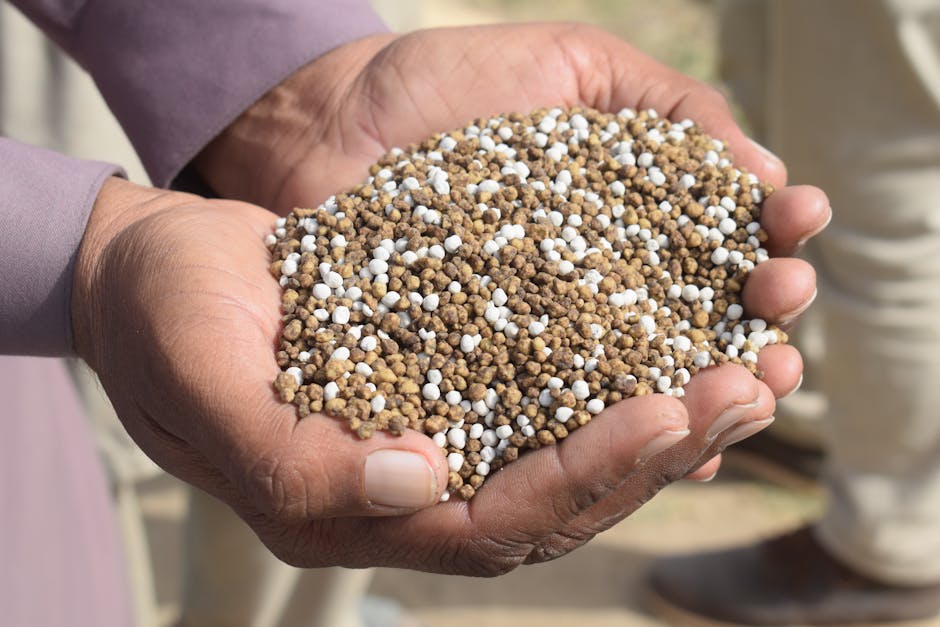
What about organic vs. synthetic fertilizer?
Both work fine on figs. The difference is speed, cost, and what they do for your soil long term.
Synthetic granular (10-10-10): Fast, cheap, effective. A 10-pound bag of generic 10-10-10 from the hardware store costs $12-18. Nutrients are available within days of watering in. Downside: does nothing for soil biology. It feeds the tree but not the earthworms, fungi, and microbes that make soil healthy over time.
Dr. Earth Natural Wonder Fruit Tree Fertilizer (5-5-2): A solid organic option at about $11-13 for a 4-pound bag. Contains beneficial soil microbes, bone meal, and fish bone meal. Releases slowly over 4-8 weeks. Good for established figs where you want a gentle, steady feed.
Jobe’s Organics Fruit & Citrus (3-5-5): Around $12-15 for a 4-pound bag. The higher potassium ratio (the last number) makes this a good fit for figs during fruiting. OMRI-listed organic.
Bone meal (0-10-0): About $10-15 for a 3-pound box. Pure phosphorus boost for root and fruit development. I mix a handful into the soil around each fig tree every February.
Composted steer manure: The budget king. A 40-pound bag costs $5-7. Spread 2-3 inches under the canopy every year and you are building soil while feeding the tree. Not as precise as a granular fertilizer, but figs do not need precision. They need healthy soil.
Fish emulsion (5-1-1): Quick-acting liquid organic, about $10-15 a quart. High nitrogen, so use sparingly and only on young trees that need canopy growth. Dilute per label directions and apply as a soil drench. Your yard will smell like a fishing dock for a day.
My approach: compost in February as the base, plus a handful of bone meal around each tree. For young figs, I add a light application of balanced granular. Total cost for three fig trees: about $15-20 per year.
What soil pH do fig trees need?
Figs prefer slightly acidic to neutral soil, pH 6.0 to 6.5. They tolerate a wider range (5.5 to 7.5) but nutrient uptake is best in that 6.0-6.5 sweet spot.
Most Sacramento Valley soils run slightly alkaline, around 7.0-7.5. Most Bay Area soils are closer to neutral or slightly acidic. A $15-20 soil pH meter from the garden center tells you where you stand. Or send a sample to the UC Davis Analytical Lab for a full soil test ($15-30) that covers pH, nutrients, and organic matter.
If your soil is above 7.0, work sulfur into the planting area. Elemental sulfur at 1-2 pounds per 100 square feet, tilled into the top 6 inches, drops pH by about half a point over a few months. Mulching with acidic materials like pine bark also helps over time.
If your pH is already in the 6.0-6.5 range, do nothing. You are golden.
How does watering affect fertilizer uptake?
You can apply the perfect fertilizer at the perfect time and still get poor results if your watering is wrong. Figs have deep root systems and prefer consistent, deep irrigation over frequent shallow watering.
Water deeply after you fertilize. A 30-45 minute soaking with a drip system or slow-running hose pushes nutrients down to the root zone. Surface-applied fertilizer that sits dry on top of the soil feeds the weeds, not the tree.
Figs are drought-tolerant once established, but “drought-tolerant” does not mean “no water.” A fig tree that goes bone dry during fruit development drops its fruit. Water every 7-10 days during summer in the Sacramento Valley, deeper and less often in clay soils, more frequently in sandy soil.

Mulch ties everything together. A 3-4 inch layer of wood chips from the trunk (kept 6 inches back from the bark) out to the drip line retains soil moisture, moderates root temperature, and slowly adds organic matter as it breaks down. Mulch reduces watering needs by 25-50%. Arborist wood chips are free from most tree services. Call around and ask for a load.
What are the signs of over-fertilization?
Too much fertilizer causes real damage to figs. Watch for these symptoms:
Excessive leaf growth with no fruit. The tree looks lush and green but produces few or no figs. This is almost always too much nitrogen. The tree puts all its energy into vegetative growth instead of fruiting.
Leaf burn. Brown, crispy leaf edges, starting at the tips. This means salt buildup from excess fertilizer concentrate around the roots. Flush the soil with deep watering immediately.
Trunk and branch splitting. Figs grow slowly by nature. Too much nitrogen forces growth spurts that outpace what the bark can handle, leading to cracks and splits that invite disease and pests.
Cracked fruit. Excess nitrogen during fruit development causes figs to swell too fast and split open. You end up with low-quality fruit that rots on the tree.
Delayed dormancy. Late-season fertilizer keeps the tree pushing growth when it should be hardening off for winter. Those soft shoots die at the first frost.
If you see these signs, stop fertilizing immediately. Flood the root zone with water to dilute the excess. Skip the next scheduled feeding. Most figs recover within one growing season if you back off.
What does an under-fertilized fig tree look like?
A fig that needs feeding tells you. Watch the leaves and the growth rate.
Pale green or yellow leaves starting with the older leaves near the base of branches. This is nitrogen deficiency. The tree pulls nitrogen from old growth and sends it to new growth, so the bottom of the canopy yellows first.
Stunted new growth. You should see 12-18 inches of new shoot growth per year on a healthy fig. If you are getting 3-4 inches, the tree is hungry.
Small or dropping fruit. The tree sets figs but they stay small, shrivel, or drop before ripening. Phosphorus and potassium deficiency can both cause this.
Overall tired appearance. The tree just looks sparse and thin compared to what it should be. Figs are vigorous growers in good conditions. If yours looks like it is barely surviving, a soil test will tell you what is missing.
A basic soil test through your county extension office costs $15-30 and eliminates the guesswork. You might discover your soil has plenty of potassium but is low on phosphorus, like mine is in the Sacramento Valley clay. That saves you money because you buy what the tree actually needs instead of a general-purpose product.
Do young fig trees and established fig trees need different care?
Yes. The feeding strategy changes as the tree matures.
Year one (just planted): Do not fertilize at planting time. The roots are recovering from transplant shock and fresh fertilizer can burn them. Wait 6-8 weeks after planting, then apply a light dose of balanced 10-10-10 (quarter cup scattered around the base). Make sure you follow proper tree planting techniques first. A fig planted in good soil with proper drainage barely needs any help.
Years two and three: Feed in late February with half a cup of 10-10-10 or an equivalent organic. The tree is building its framework. You want steady growth but not a growth explosion. Water consistently through the first two summers. A fig that dries out in years one through three never fully recovers its potential.
Year four and beyond: Most established figs need little to no fertilizer. If the tree is healthy, growing 12-18 inches per year, and producing good fruit, stop feeding. Compost and mulch are enough. Only add fertilizer if you see deficiency symptoms or a soil test shows specific shortages.
Container figs: Potted figs need more frequent feeding because nutrients wash out with every watering. Use a balanced liquid fertilizer (like diluted fish emulsion) every 2-3 weeks during the growing season, March through August. Container figs also need repotting every 2-3 years to refresh the soil.
Should you prune a fig tree after fertilizing?
Feeding and pruning go together, but not at the exact same time. Fertilize in late February. Prune in late winter while the tree is still dormant, before new growth starts. In NorCal, that usually means January through mid-February.
Figs fruit on new growth and (for some varieties) on last year’s wood. Heavy pruning removes fruiting wood, so prune conservatively unless you are reshaping the tree. Remove dead branches, crossing branches, and anything growing toward the center of the canopy. Open up the interior for sunlight and air circulation. Check our guide on when to trim your tree for species-by-species timing, including figs.
After pruning, the fertilizer you applied supports the new growth that replaces what you cut. The two practices complement each other when timed right.
Frequently asked questions
Can I use citrus fertilizer on my fig tree? Yes. Citrus fertilizers are typically balanced (like 6-6-6 or 8-8-8) with added micronutrients. Figs do fine with these. Just watch the nitrogen content. If the citrus fertilizer is high-nitrogen (like 12-4-4), use half the recommended rate.
Is coffee grounds good fertilizer for fig trees? Coffee grounds add a small amount of nitrogen and organic matter to the soil. They are fine as a light mulch amendment, but they are not a substitute for actual fertilizer. Sprinkle them thinly under the canopy and let them break down. Do not pile them up. Thick layers of coffee grounds create a water-repellent mat.
How do I know if my fig tree needs fertilizer at all? Look at the growth. A healthy fig puts on 12-18 inches of new shoot growth per year, has dark green leaves, and produces a good crop. If yours hits those marks, skip the fertilizer. Just mulch with compost annually. Figs are naturally low-maintenance.
My fig tree is huge but never fruits. What fertilizer fixes this? Stop adding nitrogen. Switch to bone meal and potassium sulfate for one season. Also check that the tree gets at least 6-8 hours of direct sunlight. Figs in too much shade grow tall reaching for light but set little fruit. A fig that gets enough sun and not too much nitrogen will fruit.
When is it too late to fertilize a fig tree? Stop after June. Anything applied July or later pushes tender growth that frost will kill. In zones 8-9, the first hard frost can arrive as early as late November. You want all new growth fully hardened by then.
For a full fruit tree fertilizing schedule that covers timing by species throughout the year, that guide goes deeper on citrus, stone fruits, and berries alongside figs. And for more on spring fruit tree care, our February guide covers the complete feeding routine for your whole orchard.