Best way to remove a tree stump

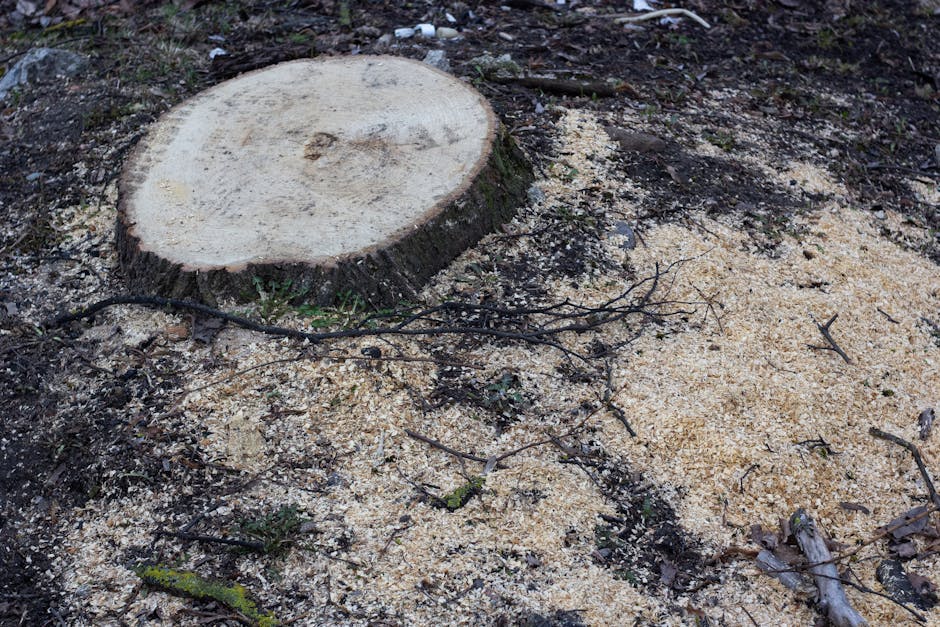
The best way to remove a tree stump is to grind it. A professional stump grinder turns a 24-inch stump into a pile of wood chips in about 30 minutes, costs $150 to $400, and leaves you with a hole you can fill and plant over. I’ve tried chemicals, I’ve tried digging, and I’ve burned one (don’t). Grinding wins every time. Here’s the full breakdown of every method so you can pick the right one for your situation.
What is stump grinding and why is it the best option?
Stump grinding uses a machine with a spinning carbide-tipped wheel that chews the stump down 6 to 12 inches below grade. The grinder moves back and forth across the stump, reducing it to a mix of wood chips and soil. The whole process takes 30 minutes to 2 hours depending on the stump’s diameter, species, and root spread.
Professional stump grinding costs $150 to $500 for a single stump. A 12-inch stump runs about $150. A 36-inch oak stump runs $350 to $500 because hardwood takes longer and dulls the teeth faster. Most companies charge $2 to $5 per inch of diameter. If you have multiple stumps, the per-stump cost drops because the crew is already on site with the machine. Expect $30 to $60 per additional stump.
The reason grinding beats every other method is simple: it’s fast, it’s thorough, and the stump is gone the same day. No waiting 6 weeks for chemicals. No spending a Saturday with a mattock trying to pry roots out of clay soil. No fire department showing up at your house.
Should I rent a stump grinder or hire a pro?
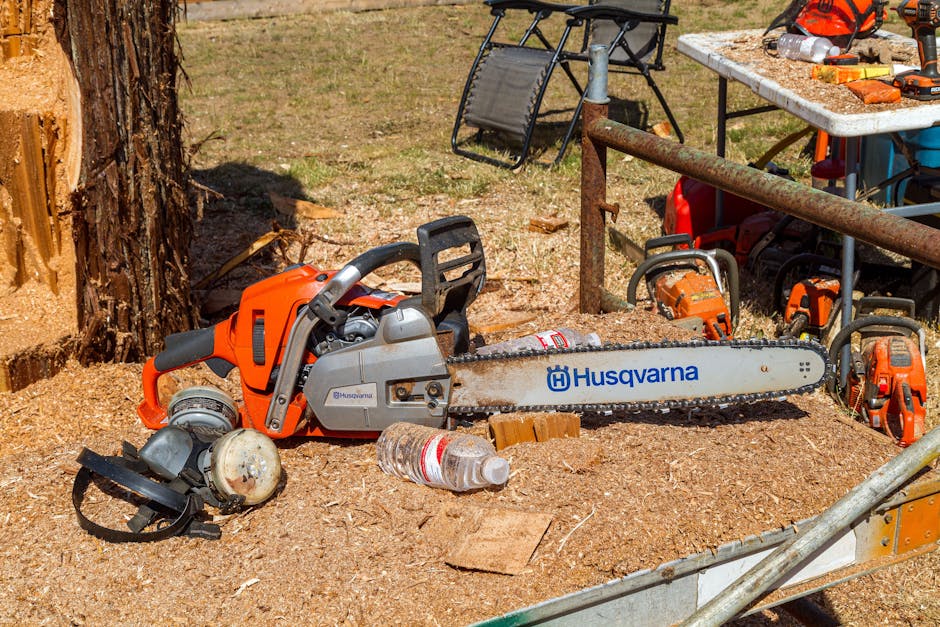
You can rent a stump grinder from Home Depot or a local equipment rental yard for $85 to $200 per day depending on the machine size. A compact grinder handles stumps up to about 12 inches. Anything bigger needs a full-size machine, which rents for $200 to $400 per day and requires a trailer to transport.
Here’s my honest take: these machines are dangerous. A stump grinder throws chunks of wood, rocks, and dirt at high speed. The cutting wheel doesn’t care if your shin is in the way. I watched a neighbor rent one for a weekend project. He ground the stump fine, but he also hit a buried sprinkler line, chipped a rock into his truck’s windshield, and couldn’t walk right for three days because the vibration beat up his back.
Rent a grinder if you have three or more small stumps (under 12 inches) in open areas with no buried utilities. Call 811 before you start. Wear steel-toe boots, safety glasses, hearing protection, and heavy gloves. Keep bystanders 50 feet away.
Hire a pro if the stump is large, close to your house, near utility lines, or if you just don’t want to deal with it. A pro with a commercial grinder does in 30 minutes what takes you 3 hours with a rental unit. The $200 you save isn’t worth a trip to urgent care.
Does chemical stump removal actually work?
Chemical stump removers use potassium nitrate (saltpeter) to accelerate decomposition. You drill holes in the stump, pour in the granules, add water, and wait. Products like Spectracide Stump Remover and Bonide Stump-Out cost $10 to $30 at any hardware store.
The process works. Eventually. Small stumps (under 12 inches) soften in 4 to 6 weeks. Larger stumps take 3 to 6 months, sometimes longer. Hardwood species like oak and maple take the longest. Once the wood turns soft and spongy, you break it apart with an axe or mattock and dig out the pieces.
Chemical removal makes sense if you’re patient, the stump isn’t in the way, and you don’t plan to replant that spot anytime soon. It doesn’t make sense if you want the stump gone this month or if you need to grade the area for a patio, fence, or new planting.
One warning: keep kids and pets away from treated stumps. Potassium nitrate is a strong oxidizer. Don’t let it wash into storm drains or garden beds where you grow food.
Can I dig out a tree stump by hand?
You can, but only if the stump is small. Anything under 12 inches in diameter with shallow roots is doable with a shovel, mattock, and pruning saw. Budget a full Saturday afternoon and a sore back.
Here’s the process: dig a trench around the stump about 18 inches out from the trunk. Expose the main roots. Cut them with a pruning saw or reciprocating saw. Once you’ve severed the major roots, rock the stump back and forth until it comes free. A pry bar helps. A truck with a tow strap helps more.
For stumps over 12 inches, manual removal goes from “hard workout” to “impossible without equipment.” A 24-inch oak stump can have a root ball that weighs 300 to 500 pounds. The taproot on some species goes down 3 feet or more. You’ll dig a crater in your yard, destroy your back, and still not get the stump out. Pay the $200 for a grinder.
Should I burn the stump?
No. I’m saying this as someone who tried it once in the early 2000s. The stump smoldered for three days, my neighbor called the fire department, and I got a warning from the county.
In most of California’s urban and suburban areas, open burning requires a permit from your local air quality management district and the fire department. Many Bay Area and Sacramento-area counties prohibit residential burning entirely. Even in rural counties where burning is allowed, you need a burn permit, the burn must happen during designated “burn days” only, and stumps over 12 inches must be split in half first.
The fire risk alone makes this a bad idea. A stump fire burns underground through the root system. You think it’s out, and four hours later smoke is coming up through the soil six feet from where the stump was. In a dry California summer, that’s how you start a wildfire. Just don’t.
When should I negotiate stump grinding into my tree removal quote?
Always. If you’re having a tree removed, get the stump grinding included in the original quote. It’s significantly cheaper as an add-on because the crew is already on site with equipment. Most tree removal companies either own a grinder or subcontract with a grinding crew.
As a standalone job, grinding that 24-inch stump costs $200 to $300. Bundled with the tree removal, it might add $75 to $150. That’s because the overhead, travel time, and setup costs are already covered by the removal job.
Get it in writing before the crew starts cutting. “Stump ground to 8 inches below grade, all grindings left on site” is a standard scope. If you want the grindings hauled away, say so upfront. Some companies charge an extra $50 to $100 for debris removal.
What do I do with the wood chips from stump grinding?
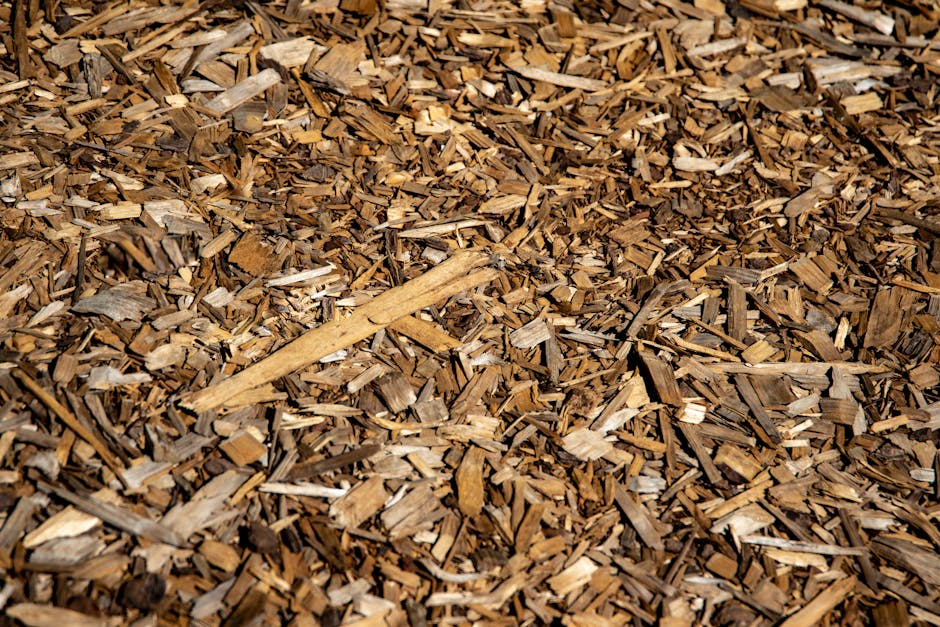
A single stump produces a surprising amount of wood chips. A 24-inch stump generates roughly 1 to 2 cubic yards of grindings (a mix of wood chips, sawdust, and soil). You have a few options.
Use them as mulch. Spread the grindings around your trees and shrub beds in a 2 to 3 inch layer. They break down over a year or two and improve soil structure. One caveat: fresh wood chips temporarily tie up nitrogen in the soil as they decompose. Keep them away from the root zones of newly planted trees and annual flowers. Around established trees and in pathways, they’re fine.
Fill the hole and move on. Remove the excess grindings, fill the hole with topsoil, tamp it down, and seed or sod over it. The soil will settle over the next few months, so mound it slightly above grade.
Compost them. Add wood chips to your compost pile as a carbon source. Mix them with green material (grass clippings, food scraps) at a 3:1 brown-to-green ratio. They take 6 to 12 months to break down in an active compost pile.
Can I plant a new tree where the old stump was?
Yes, but not right away. The decomposing wood chips and remaining root material tie up nitrogen and create air pockets in the soil. Plant too soon and your new tree will struggle.
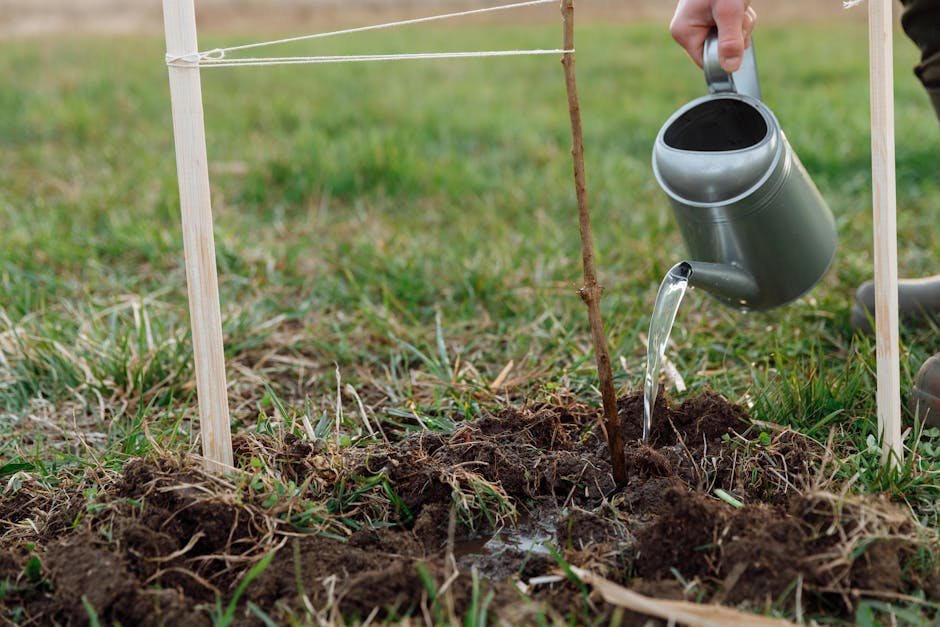
Here’s what to do. After grinding, remove as many wood chips as possible from the hole. Dig out any large root pieces you can reach. Fill the hole with a mix of native soil and compost (roughly 70% soil, 30% compost). Water it well and let it settle for at least one full growing season. In Northern California, that means grinding in winter and planting the following fall or the spring after that.
When you’re ready to plant, dig the hole 2 to 3 times wider than the new tree’s root ball. Test the soil pH. Decomposing wood can make soil slightly acidic, which is fine for acid-loving species like Japanese Maple (Acer palmatum) or Dogwood (Cornus florida) but less ideal for species that prefer alkaline soil. A $15 soil test kit from the hardware store tells you where you stand.
Which trees resprout aggressively from stumps?
Some species don’t accept defeat. You cut them down, grind the stump, and three weeks later you’ve got a ring of sprouts pushing through the mulch. These are the worst offenders.
Eucalyptus (Eucalyptus spp.) is the champion resprouter. Eucalyptus trees have structures called lignotubers at or below ground level that store energy and contain masses of dormant buds. Cut a eucalyptus and it sends up dense clusters of shoots within weeks. Even grinding doesn’t always stop it. If you have eucalyptus stumps, grind at least 6 inches below grade and apply triclopyr herbicide to any sprouts that emerge. Plan on treating sprouts repeatedly for 6 to 12 months.
Tree of heaven (Ailanthus altissima) is equally relentless. Cut one and you’ll get dozens of root suckers popping up across your yard, sometimes 20 to 30 feet from the original trunk. Research from Penn State found that cutting alone is “counter-productive” because it triggers aggressive suckering. The only reliable method is cutting followed by immediate herbicide application to the fresh stump surface. If you already have this tree, you’ll understand why it made our list of trees you should never plant.
Chinese Elm (Ulmus parvifolia) sends up vigorous stump sprouts and root suckers if the stump isn’t treated within minutes of cutting. The sprouts grow fast enough to become new trees within a couple of growing seasons. Grind the stump below grade and treat any new growth with herbicide as soon as it appears. Persistence is the only strategy.
For all three species, the approach is the same: grind deep, apply herbicide to the fresh cut or any sprouts, and stay on top of regrowth for at least a year. Ignoring sprouts for a few months means starting over.
How long can I leave a stump in the ground?
As long as you want. A stump won’t damage your house or your plumbing. It will slowly decompose over 5 to 10 years depending on the species and climate. Softwoods like pine break down faster. Hardwoods like oak can sit there for a decade looking mostly the same.
The reasons to remove a stump are practical, not urgent. Stumps attract carpenter ants, termites, and boring beetles. If the stump is within 20 feet of your house, those insects might eventually find their way to your siding or framing. Stumps also get in the way of mowing, and anyone who’s caught a mower blade on a hidden stump knows that’s a $200 repair.
Some people actually like their stumps. You can turn one into a planter, a bird bath base, or a mushroom-growing log. If that sounds like you, check out our guide to turning tree stumps into garden features before you call the grinder.
The bottom line on stump removal
For most homeowners, professional stump grinding is the answer. Call an arborist or tree service, get it bundled with your removal job, and the stump is gone the same day the tree comes down. Budget $150 to $500 depending on size. If you’re doing landscaping work after removing a tree, getting that stump handled first saves you headaches down the line. Here’s a guide on how to choose the right tree care service to make sure you hire someone who knows what they’re doing.
If you’re patient and the stump isn’t in the way, chemical removal works for $10 to $30 and a few weeks of waiting. If the stump is tiny, grab a shovel. But skip the fire. Always skip the fire.