How chlorine in tap water affects your trees

Every municipal water system in the U.S. adds chlorine or chloramine to kill bacteria. Good for drinking water safety. Not always good for your trees. Tap water with more than 0.5 parts per million (ppm) of free chlorine can damage sensitive trees, especially during the growing season when they’re actively taking up water through their roots.
If your tree’s leaf tips look scorched or brown around the edges and you can’t explain it with drought or fertilizer burn, chlorine in your water is worth investigating.
What does chlorine actually do to a tree?
Chlorine is a micronutrient that trees need in tiny amounts. The problem is quantity. Municipal water typically contains 1 to 4 ppm of chlorine, which is safe for humans but 2 to 8 times higher than the threshold where sensitive trees start showing damage.
When a tree absorbs too much chlorine through its roots, the chloride ions accumulate in leaf tissue. They build up at the margins and tips first, because that’s where transpiration concentrates dissolved minerals. The result looks like scorch: brown, crispy leaf edges that curl inward. The damage starts at the tips, then moves down the margins toward the midrib.
This chloride accumulation is cumulative. A single watering won’t cause visible damage to a healthy established tree. But water three times a week through a Sacramento summer with 3 ppm chlorine, and by August you’ll see it on sensitive species.
The damage pattern mimics several other problems, which makes diagnosis frustrating:
- Drought stress causes similar leaf margin browning, but it’s usually more uniform across the tree
- Fertilizer burn (salt damage) looks almost identical because the mechanism is similar, both involve ion toxicity in leaf tissue
- Wind scorch tends to affect one side of the tree more than the other
The giveaway for chlorine damage: it typically shows up on the newest fully expanded leaves first, and it’s worse on the side of the tree that gets the most direct watering from your hose or sprinkler.
Which trees are most sensitive to chlorine?
Not all trees react the same way. Some shrug off municipal chlorine without a problem. Others show damage at concentrations as low as 0.5 ppm.
Highly sensitive trees (show damage at 0.5 to 1.5 ppm):
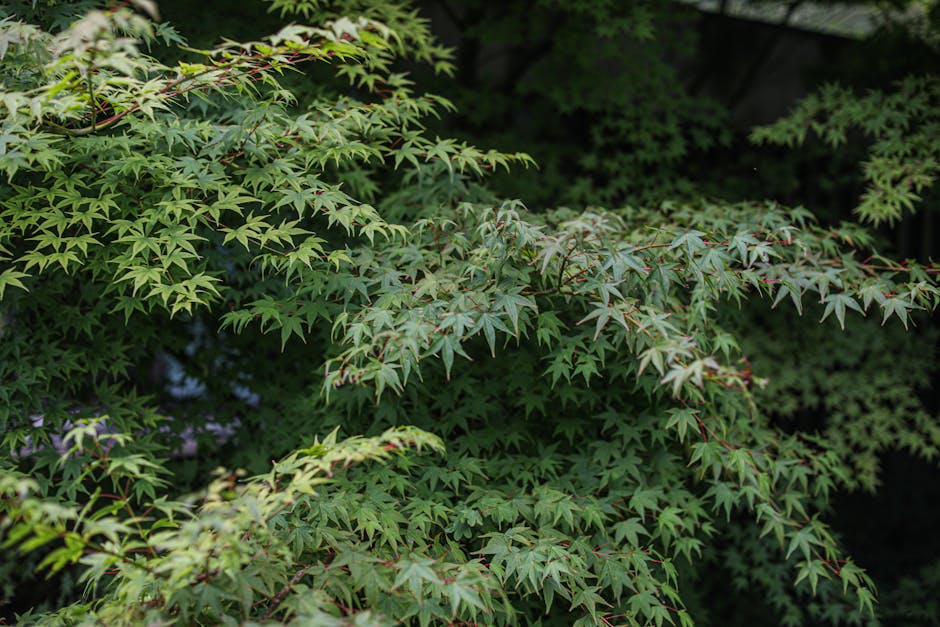
- Japanese Maple (Acer palmatum), especially lace-leaf varieties like ‘Dissectum’ and ‘Crimson Queen’. If you grow any type of maple, the Japanese varieties are by far the touchiest about water quality.
- Flowering Dogwood (Cornus florida) and Pacific Dogwood (Cornus nuttallii)
- Rhododendrons and azaleas (technically shrubs, but they share the same sensitivity)
- Blueberry bushes (same acid-loving, chloride-sensitive group)
Moderately sensitive trees (show damage at 2 to 3 ppm):
- Most fruit trees, especially stone fruits like peach, cherry, and plum. If you’re fertilizing your fruit trees in February and watering them through summer, chlorine could undo some of that effort.
- Birch trees (Betula species), particularly River Birch
- Pin Oak (Quercus palustris) and other oaks that prefer acidic soil
- Magnolias, especially Southern Magnolia (Magnolia grandiflora)
Chlorine-tolerant trees (handle 3+ ppm without visible issues):
- Live Oak (Quercus virginiana)
- Crape Myrtle (Lagerstroemia indica)
- Most conifers, including pines, junipers, and cedars
- Desert-adapted species like Palo Verde and Mesquite
Young trees and newly transplanted trees are always more vulnerable than established ones. A Japanese Maple that’s been in the ground for ten years can handle tap water fine because its root system is deep and extensive. That same variety planted last spring, with roots still confined to the original root ball, gets hit with the full concentration of whatever comes out of your hose.
When does chlorine cause the most damage?
Season matters more than most people realize.
May through September is the danger zone. Trees are actively growing, transpiring heavily, and pulling large volumes of water through their roots. A tree in full leaf on a 95-degree day in Sacramento can transpire 50 to 100 gallons of water. All the chloride in that water ends up in the leaves.
October through February is mostly safe. Deciduous trees are dormant or heading into dormancy. Evergreens slow their water uptake. The chlorine in winter watering rarely causes visible problems.
The combination that causes real trouble: a newly planted tree, watered heavily from a garden hose, through its first summer, in a city with high chlorine levels. I’ve seen neighbors lose freshly planted Japanese Maples this way. They’d water faithfully every other day, thinking they were being good tree parents, not realizing the water itself was part of the problem.
How much chlorine is in your tap water?
Your water utility publishes an annual Consumer Confidence Report (also called a Water Quality Report). Every utility in the U.S. is required by the EPA to send one to customers by July 1 each year. You can usually find it on your water provider’s website.
Look for two numbers:
- Free chlorine residual: This is the active chlorine still in the water when it reaches your tap. Most utilities target 0.5 to 2.0 ppm, but it can spike to 4 ppm during system maintenance or seasonal flushes.
- Total chlorine: Includes both free chlorine and combined chlorine (chloramine). If your total chlorine is much higher than free chlorine, your utility likely uses chloramine as a secondary disinfectant.
You can also buy chlorine test strips at any pool supply store or aquarium shop for about $8 to $12. Fill a glass from your outdoor spigot and test it. Do this a few times across different months, because chlorine levels vary with season, temperature, and distance from the treatment plant.
Homes closer to the water treatment plant tend to have higher chlorine levels than homes at the far end of the distribution system.
How to reduce chlorine before watering your trees
Let it sit overnight. Fill a 5-gallon bucket (or a clean garbage can) with tap water and let it sit uncovered for 24 hours. Free chlorine evaporates at room temperature because it’s a dissolved gas. The wider the container opening, the faster it off-gasses. A bucket left outside in the sun dechlorinates even faster, usually within 6 to 8 hours.
This is the cheapest fix. It costs nothing. It takes five minutes of planning. If you’re watering a sensitive new tree through its first two summers (and you absolutely should be), fill the bucket the night before.
Install a hose-end carbon filter. A carbon filter attaches between your spigot and garden hose. Activated carbon absorbs chlorine on contact. A good one costs $25 to $45 and the replacement cartridges run $10 to $20 every two to three months depending on usage. Brands like Boogie Blue and Garden Hose Filter work well for residential gardens.
This is the best option for people who water from a hose regularly and don’t want to manage buckets.
Use a whole-house carbon filter. If you already have one for drinking water (or are considering it), the same filter handles garden chlorine. Whole-house systems run $300 to $1,500 installed. Overkill if your only goal is tree care, but it’s a bonus if you already have one.
Collect rainwater. Rain is naturally chlorine-free. A single 55-gallon rain barrel fills up from one decent storm in Northern California. That’s enough water to hand-water a young tree for a week or more. If you’re planting bare root trees in winter, the timing is perfect because rain barrels fill easily from December through March.
One barrel isn’t enough for a big landscape. But for spot-watering your most sensitive trees during summer, it’s ideal. I keep two barrels connected to a downspout and use them exclusively for my Japanese Maples from June through September.
What about pool water and splash-out?
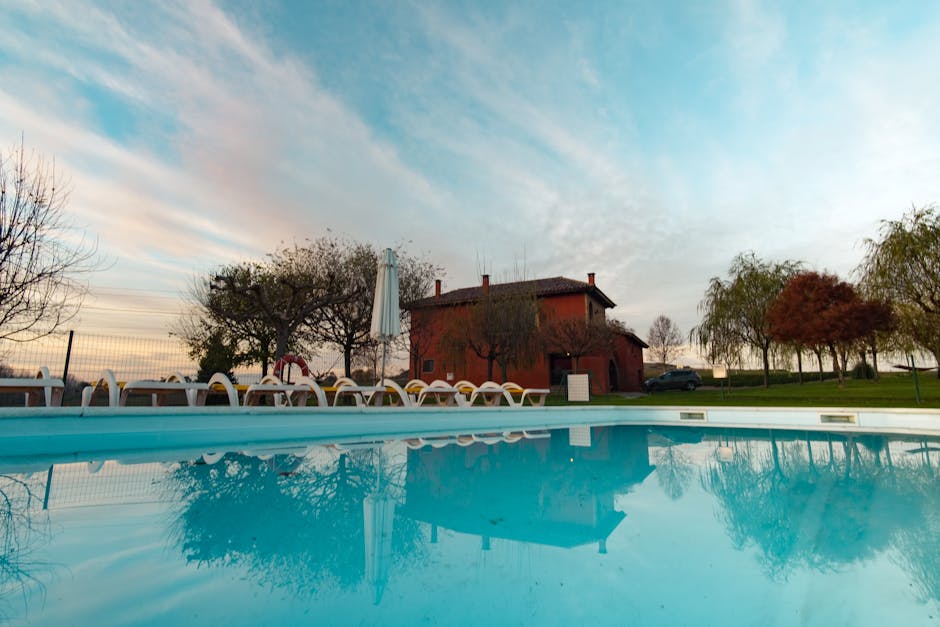
Here’s the other chlorine problem nobody talks about. Swimming pools maintain chlorine levels between 1 and 3 ppm, which is right in the damage range for sensitive trees. And pool splash-out, backwash, and draining all send that water into your yard.
If you have trees planted within 10 feet of your pool, they’re getting a regular dose of chlorinated water from splash. Over a full summer, that adds up. Backwashing a pool filter sends 200 to 500 gallons of chlorinated water into your yard in one shot.
The worst scenario is draining a pool for repair or replastering. That’s 10,000 to 20,000 gallons of chlorinated water flooding your yard at once. If you need to drain a pool, always send the water to the street or storm drain (check your local ordinances first), never into your landscape.
Trees planted near saltwater pools have it even worse. Salt chlorine generators produce the same chlorine levels, plus the sodium and chloride from the salt itself, a double hit.
A note on chloramine (the one you can’t just boil off)
About 20% of U.S. water utilities now use chloramine instead of free chlorine. Chloramine is formed by combining chlorine with ammonia. It lasts longer in the distribution system, which is why utilities like it.
The problem for gardeners: chloramine does not evaporate from standing water. Leaving a bucket out overnight does nothing. Boiling doesn’t work either, or at least not at any practical volume. You’d need to boil water for over 20 minutes to break down chloramine, and you’d still have ammonia left in the water.
If your utility uses chloramine (Sacramento, San Francisco, Portland, Denver, and Washington D.C. all do, among many others), your options are:
- Catalytic carbon filter: Regular activated carbon removes chloramine slowly. Catalytic carbon, a more processed form, removes it completely. Look for filters specifically rated for chloramine, not just chlorine. These cost $30 to $50 for a hose-end unit.
- Vitamin C (ascorbic acid) dechlorination: One gram of ascorbic acid neutralizes about 1 ppm of chloramine in 100 gallons of water. You can buy campden tablets (potassium metabisulfite) at homebrew shops for $5 to $8 that do the same thing. Drop one tablet in 20 gallons and stir.
- Rainwater collection: Still the simplest solution, no chloramine to deal with.
Call your water provider or check their website to find out which disinfectant they use. This is the most important step, and most people skip it.
Does chlorine kill the beneficial microbes in your soil?
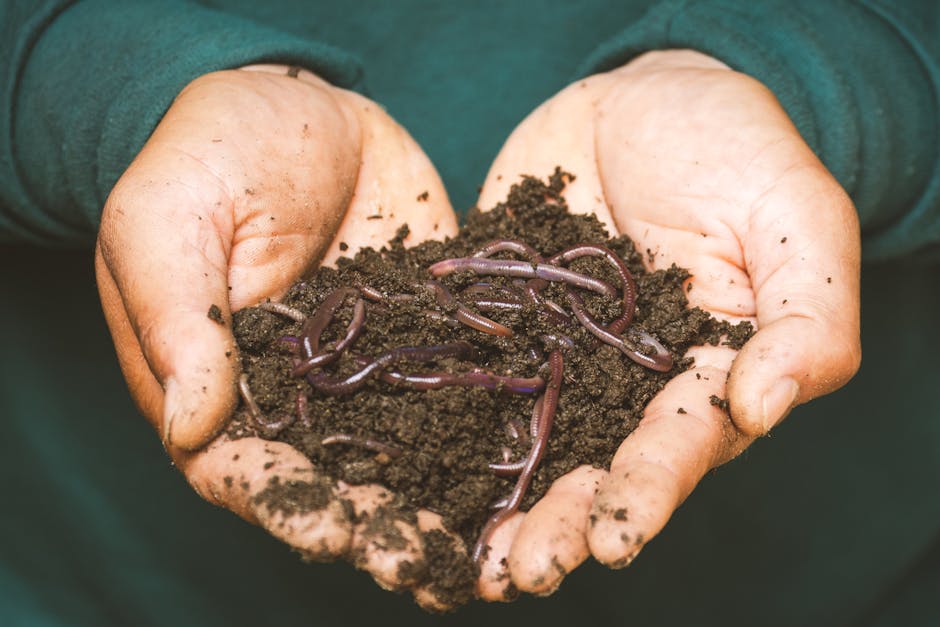
Yes, to some extent. Healthy soil contains billions of bacteria, fungi, and other organisms per teaspoon. Mycorrhizal fungi form symbiotic networks with tree roots that help them absorb water and nutrients. Chlorine at municipal concentrations (1 to 4 ppm) can suppress these soil organisms, especially in the top few inches where the concentration is highest right after watering.
The effect is temporary. Soil microbes bounce back within days after a single chlorinated watering. But daily irrigation with chlorinated water can keep microbial populations chronically depressed, particularly in container-grown trees and raised beds where there’s less soil volume to dilute the chlorine.
If you’re serious about soil health (and you should be, because healthy soil grows healthy trees), dechlorinating your water helps your entire garden, not just the chlorine-sensitive species. A thick layer of organic mulch, 3 to 4 inches of wood chips around the drip line, also protects soil biology by absorbing and breaking down chlorine before it reaches deeper soil layers.
This is one reason that spring tree care should include refreshing your mulch ring every year.
The practical bottom line
Most established trees in most yards handle normal tap water just fine. The chlorine in your hose is not going to kill a healthy 20-year-old Valley Oak.
The trees most at risk are:
- Newly planted trees in their first two growing seasons
- Japanese Maples and other sensitive species
- Trees near swimming pools
- Any tree in a city with chloramine (not just chlorine) in the water
If you’re planting a new tree this spring, spend $8 on chlorine test strips and five minutes filling a bucket the night before you water. That’s the minimum. If you water from a hose regularly, a $30 carbon filter pays for itself in the health of your trees and garden soil.
For your own health, filter what you drink too. If chlorine can scorch tree leaves, you probably don’t want to drink it straight from the tap. That’s a separate topic, but worth mentioning. For more on keeping your whole yard healthy and thriving, these smart guidelines for proper garden maintenance cover the basics well. And if you’re dealing with other yard problems, understanding when your trees need trimming is another piece of the bigger picture.