Tree care after a storm: what to save, what to remove

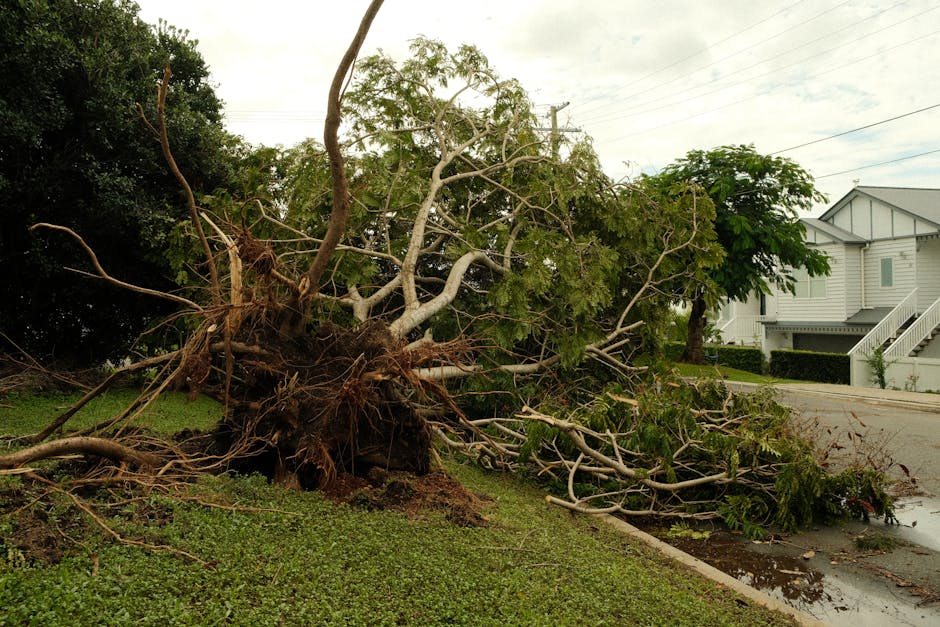
After a major storm, most damaged trees can actually recover. The ones that can’t will be obvious. Your job in the first 48 hours is to stay safe, resist panic, and not let some guy with a truck and a chainsaw talk you into cutting down a tree that would have been fine in two growing seasons.
I’ve watched neighbors lose mature shade trees worth $5,000-$15,000 in appraised value because they panicked after a windstorm and called the first number on a door hanger. That’s money and 20 years of growth gone in an afternoon. Take a breath. Read this guide. Then decide.
Safety comes first, always
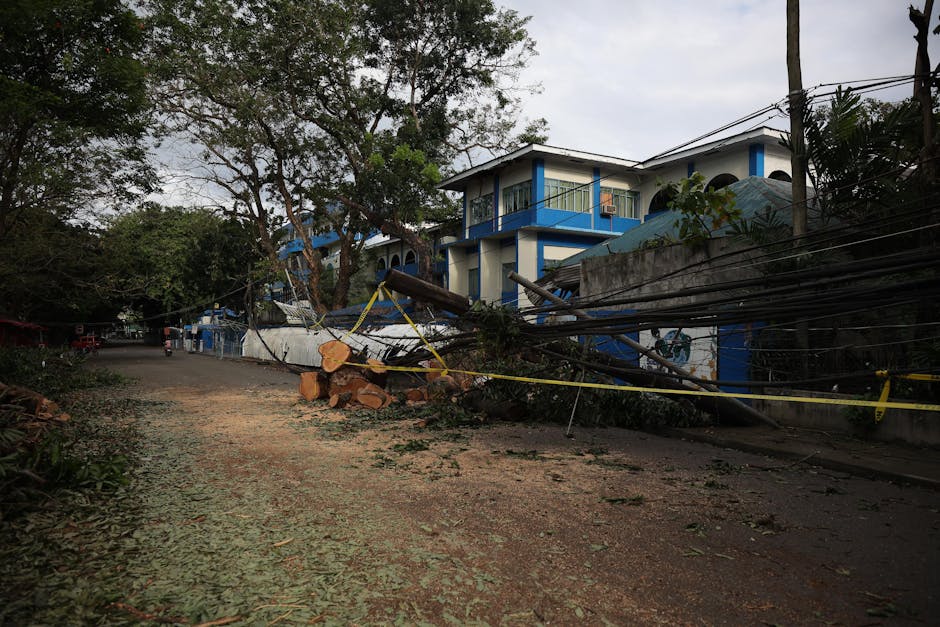
Before you touch anything or even walk close to a damaged tree, look up. Downed power lines near trees or tangled in branches are the number one killer after storms. Stay at least 35 feet away from any downed line and call your utility company immediately. Do not touch any tree that has a wire in it or near it, even if you think the line is cable TV. You cannot tell the difference from the ground, and the wrong guess will kill you.
Storm-damaged trees are under strain in ways that aren’t visible. A bent tree is a loaded spring. A hanging branch (arborists call these “widow makers” for a reason) can let go without warning. Cracked trunks can split the rest of the way when you bump them with a ladder. If anything looks unstable, stay clear and call a certified arborist.
Here’s a good rule from the International Society of Arboriculture (ISA): any branch over 4 inches in diameter overhead should be handled by a professional. A green oak branch 6 inches thick and 10 feet long can weigh over 300 pounds. Cut it wrong from a ladder and it comes down on you, not next to you.
Don’t be a scam victim
This section could save you thousands of dollars, so read it carefully.
After every major storm, trucks roll through damaged neighborhoods. The pitch is always the same: “We’re already in the area, we can take care of that tree today.” Sometimes the price sounds reasonable. Sometimes they claim your insurance will cover it. These operators are called “storm chasers” in the industry, and they cause more long-term damage than the storm itself.
The typical storm chaser has no insurance, no ISA certification, and no arboricultural training. They’ll top your trees (the single worst thing you can do to a storm-damaged tree), leave bad cuts that invite decay, and disappear before you realize the damage. I’ve seen homeowners pay $1,500-$3,000 for work that actually reduced their tree’s survival odds.
Before hiring anyone for storm damage work, verify these credentials:
- ISA Certified Arborist credential. Search the ISA’s Find an Arborist directory. This is the minimum standard. If they can’t produce a credential number, send them away.
- Proof of liability insurance and workers’ compensation. Ask for a certificate of insurance. Call the insurer directly to confirm the policy is active and covers tree work. Minimum liability coverage should be $1 million.
- TCIA accreditation (Tree Care Industry Association) is a bonus. It means the company has been audited for safety standards and business practices.
- A physical business address and local references. Not just a phone number on a magnetic truck sign. Look them up on your state’s contractor licensing board.
If someone knocks on your door with a chainsaw the day after a storm, the correct answer is “no thank you.” A reputable arborist will understand why you’re verifying credentials. For more guidance on choosing the right tree care service, do your research before storm season so you have a trusted name in your phone already.
How to assess storm damage on your trees
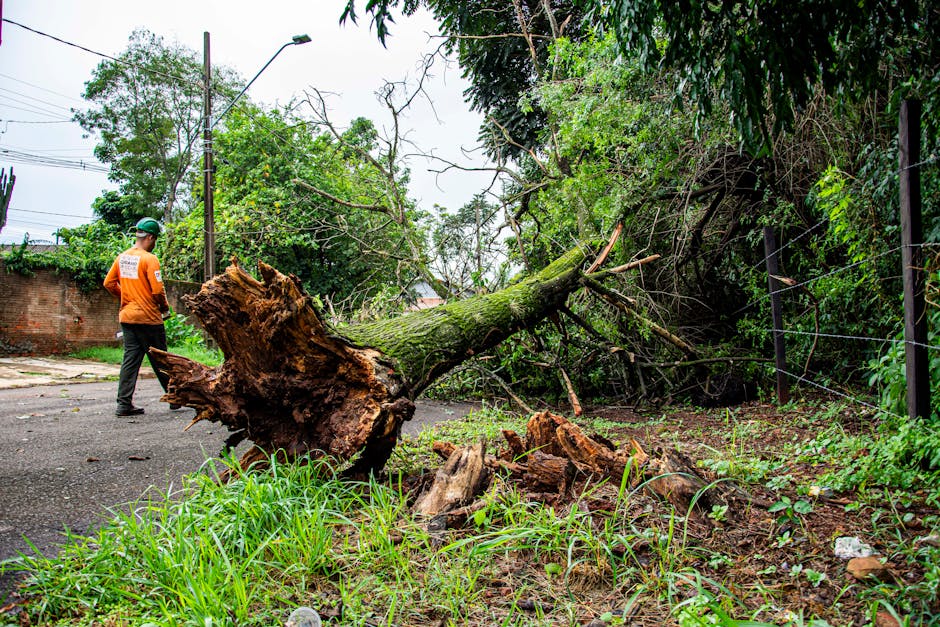
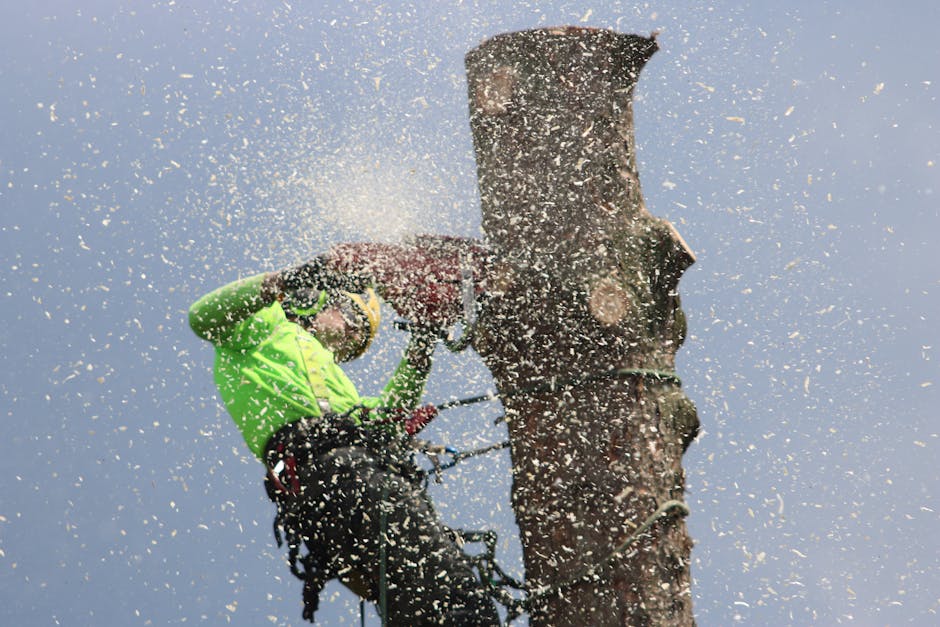
Wait until the storm has fully passed and conditions are safe. Then walk your property and evaluate each damaged tree. The ISA recommends asking yourself these six questions:
Was the tree healthy before the storm? A vigorous tree with no pre-existing decay, no insect infestations, and a full canopy before the storm hit can recover from a surprising amount of damage. A tree that was already stressed, had a thin canopy, or showed signs of root rot is a different story. Storm damage on top of existing problems almost always tips the balance toward removal.
How much of the crown is left? The ISA uses 50% as a rough threshold. A tree that still has more than half its leaf-bearing crown intact can generally produce enough food to sustain recovery. Below 50%, recovery gets slow and uncertain. Below 25%, you’re looking at removal in most cases.
Is the central leader intact? The leader is the main upward-growing trunk at the top of the tree. Losing it is serious. Some species recover better than others. Oaks, elms, and maples can sometimes develop a new leader from a lateral branch within a few years. Conifers like pines and spruces rarely recover from leader loss. The tree may survive, but it won’t look right and its structure will be permanently compromised.
Are major scaffold limbs broken or split? There’s a big difference between losing small lateral branches and losing a primary scaffold limb. Small branch loss is cosmetic. A scaffold limb that’s split from the trunk at a narrow-angle union is structural failure. Look at the point of attachment. If the bark is included in the union (bark pushed inward rather than forming a raised collar), that weak attachment was the problem, and the remaining limbs with similar unions are at risk in the next storm.
How big are the wounds? The ISA guideline: if a wound covers more than one-third of the trunk’s circumference, the tree may never compartmentalize (wall off) the decay effectively. That wound becomes a permanent entry point for fungi like Armillaria (oak root rot) or Ganoderma (root and butt rot), which are common in Northern California. Multiple large wounds compound the problem exponentially.
Can the remaining branches form a reasonable crown? Look at what’s left. If there’s a decent framework of branches that could fill in over two to three growing seasons, the tree has a shot. If what remains is severely lopsided, stripped on one side, or structurally compromised, the tree may survive but never be stable. A lopsided tree puts uneven load on the root plate and becomes a failure risk in the next big wind.
Three decisions: save it, wait, or remove it
Based on your assessment, each tree falls into one of three categories. Be honest about what you’re looking at.
Save it
The tree is fundamentally sound. It lost some branches, but the trunk is intact, the leader is intact, and well over 50% of the crown remains. The root plate hasn’t heaved. There are no major cracks in the trunk.
For these trees, prune out the broken and damaged branches using proper three-cut pruning technique. First cut: an undercut about 12-18 inches from the branch collar. Second cut: a top cut a few inches further out to remove the weight. Third cut: a clean finish cut just outside the branch collar. Never cut flush with the trunk. The branch collar contains the tree’s chemical defense zone, and removing it invites decay right into the trunk.
Remove hanging or split branches that could fall later. Clean up torn bark by cutting ragged edges back to smooth, intact bark with a sharp knife so the wound can begin compartmentalization. Don’t try to reattach bark or wrap wounds with tape. The tree heals from the edges inward, and it needs air exposure to do that.
Most trees in this category fill in within two to three growing seasons and look almost normal by the end of year three.
Wait and see
The tree took serious damage but might pull through. Maybe it lost its leader, or it’s down to 40-50% of its crown, or it has some large wounds but was otherwise healthy going into the storm. This is the hardest category because you genuinely don’t know yet.
Prune out the clearly damaged material now. Remove anything hanging, cracked, or split. But don’t prune anything that still has intact bark and live buds. The tree needs every remaining leaf to manufacture food for recovery.
Then wait a full growing season. Come back the following spring and evaluate the response. Strong, vigorous new growth with full-sized leaves means the tree is recovering. Sparse growth, undersized leaves, dieback at branch tips, or visible fungal fruiting bodies (mushrooms or conks) at wound sites means it’s declining.
If you’re unsure, hire an ISA Certified Arborist for a formal tree risk assessment. In Northern California, expect to pay $150-$400 for a written assessment depending on the number of trees. That’s cheap insurance against making a $3,000-$8,000 removal decision based on a guess.
Remove it
The tree is too far gone. The trunk is split. More than half the crown is destroyed. Major structural roots are exposed, broken, or the root plate has lifted out of the ground. The tree was already in decline before the storm, and the storm finished it off.
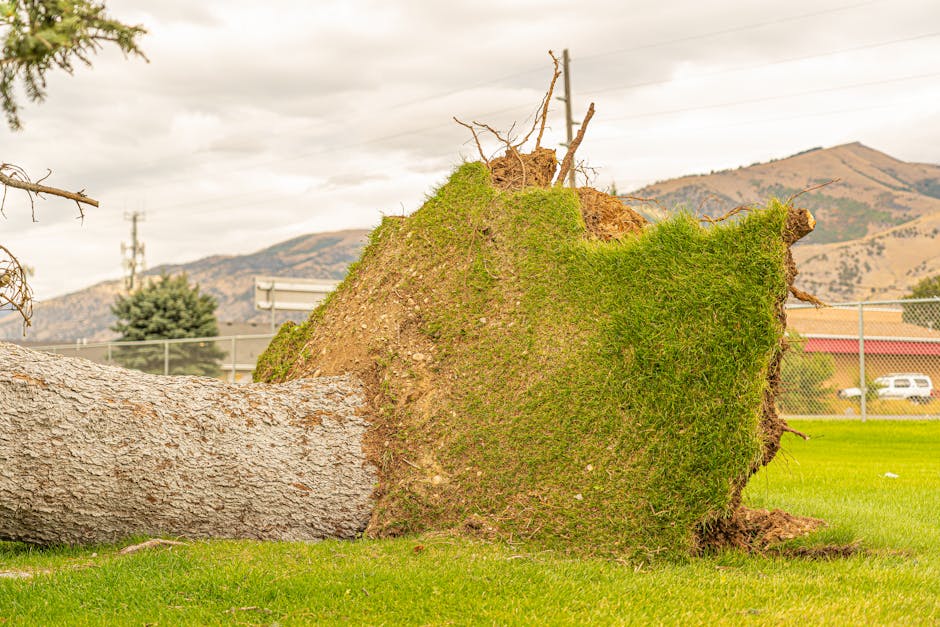
Don’t wait on these. A severely damaged tree that lingers becomes a liability. Weakened trees drop branches for years, and a split trunk can fail completely in the next moderate wind event. In California, if your tree damages a neighbor’s property and you knew (or should have known) it was hazardous, you’re liable for the damage. That’s California Civil Code section 833.
Emergency tree removal after a storm typically costs $1,500-$5,000 depending on tree size, location, and access. If the tree is on a structure or near power lines, expect the higher end. Stump grinding adds $200-$500. Get at least two written estimates, even in an emergency. Our tree removal guide covers the full process, permits, and what to watch out for.
Once the tree is gone, you may need to think about restoring your home’s curb appeal after damage.
What not to do after storm damage
Do not top your trees. Topping (cutting major branches back to stubs) is the single most destructive thing you can do to a storm-damaged tree. The ISA, TCIA, and every credible arboricultural organization opposes topping. The stubs produce dense clusters of weakly attached epicormic sprouts. These sprouts grow fast but attach only to the outer rings of the stub, not to the tree’s structural wood. They break in the next storm at a far higher rate than the original branches. A topped tree is uglier, weaker, more expensive to maintain long-term, and more dangerous than the storm-damaged tree you started with.
If anyone you’re interviewing suggests topping as a solution, end the conversation. They are not qualified.
Do not over-prune. After a storm, there’s a temptation to “clean up” aggressively, removing every branch that looks damaged or out of place. Resist that urge. The tree needs its remaining leaves to photosynthesize and rebuild energy reserves. Remove broken, hanging, and hazardous material. Leave everything else alone for now. You can do aesthetic pruning next winter during dormancy. For species-specific timing, check our guide on when to trim your tree.
Do not paint wound sealers on cuts. Tree wound sealers and pruning paints are still sold at garden centers, but decades of research (including studies by Alex Shigo, the father of modern arboriculture) proved they don’t help. Wound sealers trap moisture behind a dark surface, creating ideal conditions for fungal growth. They can actually slow compartmentalization. Leave pruning cuts open to air.
Do not fertilize a stressed tree. This is counterintuitive, but fertilizing pushes new growth the tree doesn’t have the energy reserves to support. The tree needs to direct its limited resources toward wound closure and root recovery, not shoot elongation. Wait until the tree has shown a full season of recovery before resuming fertilization.
Insurance and documentation
Before you clean up anything, photograph every damaged tree from multiple angles. Get close-ups of trunk cracks, broken limbs, and root plate damage. Document the full scope of damage with wide-angle shots that show the tree in context of your property and structures.
Most homeowners’ insurance policies cover tree removal only when the tree falls on an insured structure (your house, garage, fence, or car) or blocks a driveway or accessibility ramp. A tree that falls in the open yard with no structural damage is typically your expense. Policy limits for tree removal often cap at $500-$1,000 per tree, which rarely covers the actual cost for a large tree.
Review your policy now, before you need it. Some policies have specific deadlines for filing claims after storm damage (often 30-60 days). Keep all receipts from arborist work, and get written estimates that describe the damage in detail.
After the cleanup: recovery care
Once the immediate damage is handled, your trees need support for the next one to two years.
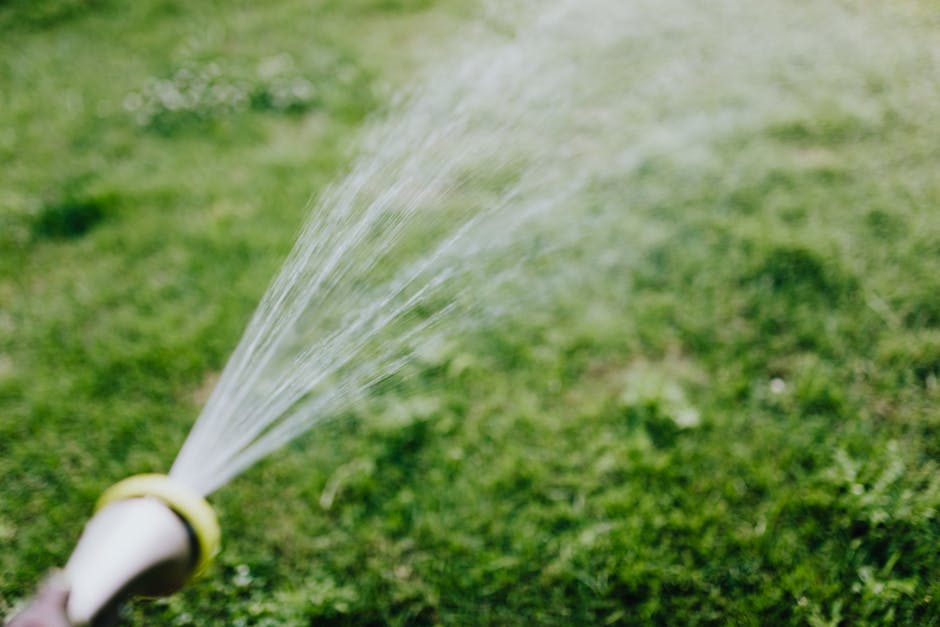
Water during dry spells. A stressed tree is far more vulnerable to drought than a healthy one. Give storm-damaged trees a slow, deep soaking (let a hose trickle at the base for 30-60 minutes) once a week during dry periods. This is especially critical in Northern California where summer drought stress follows winter storms. Focus water at the drip line, not against the trunk.
Mulch the root zone. Spread 3-4 inches of wood chip mulch from the trunk flare out to the drip line. Keep mulch 6 inches away from the trunk itself to prevent bark rot. Mulch moderates soil temperature, retains moisture, and feeds beneficial soil fungi. Sacramento Tree Foundation recommends this as one of the most impactful things you can do for a recovering tree.
Hold off on fertilizer until the next spring. Once the tree has pushed a full flush of healthy new growth, you can resume a balanced fertilization schedule. Use a slow-release formulation. Avoid high-nitrogen quick-release fertilizers that push soft, vulnerable growth.
Monitor wound sites for two to three years. Check wound sites every few months for signs of decay, fungal fruiting bodies (shelf mushrooms, conks, or bracket fungi), dark oozing sap, or insect boring holes. Decay fungi like Ganoderma and Laetiporus (sulfur shelf) can colonize storm wounds within the first growing season. If you see mushrooms growing from a trunk wound, call an arborist for an assessment. The visible fruiting body means the internal decay is already extensive.
Watch for secondary pest attacks. Bark beetles and wood borers target stressed trees. In California, western pine beetle (Dendroctonus brevicomis) and engraver beetles (Ips species) attack stressed conifers, while goldspotted oak borer (Agrilus auroguttatus) targets weakened oaks in southern regions. Frass (fine sawdust) at the base of the trunk or in bark crevices is the tell-tale sign. By the time you see frass, the beetles are already established.
Before the next storm
The best time to prepare for storm damage is before the storm. Here’s your priority list:
-
Find a certified arborist now. Don’t wait for the emergency. Interview arborists during the off-season (late summer, early fall in most regions), check credentials, and keep the number in your phone. After a storm, every qualified arborist within 50 miles is booked for weeks.
-
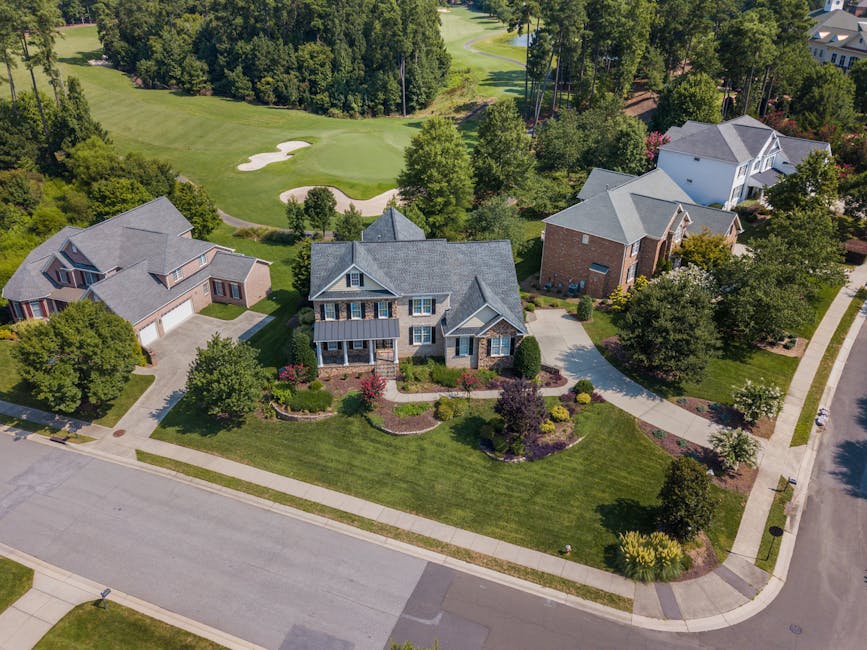
Get a tree risk assessment. An ISA Tree Risk Assessment Qualified (TRAQ) arborist can identify structural defects, weak branch unions, root problems, and decay before a storm turns them into failures. In Northern California, I’d recommend doing this every 3-5 years for any tree within striking distance of your house, your neighbor’s house, or the street. Cost is typically $150-$400 depending on how many trees you need assessed.
-
Prune for wind resistance. Proper structural pruning reduces wind load and improves a tree’s ability to flex rather than break. This means thinning the canopy by 15-20% (not gutting it), removing crossing branches, reducing end-weight on long laterals, and eliminating dead wood. Do this during dormancy, November through February for most species. Our guide on protecting your trees from storm damage covers the details.
-
Plant wind-resistant species. If you’re planting new trees, choose species with strong wood and flexible branch structure. Coast Live Oak (Quercus agrifolia), Valley Oak (Quercus lobata), and Chinese Pistache (Pistacia chinensis) handle Northern California wind events well. All three are UC Davis Arboretum All-Stars, tested and proven in Sacramento Valley conditions. Chinese Pistache is especially worth noting here: it grows 25-35 feet tall, takes full sun, tolerates drought and clay soil, and develops strong branch structure that resists wind loading. It also gives you the best fall color of any medium shade tree in the valley, going orange-red in November. Avoid Bradford Pear (Pyrus calleryana ‘Bradford’), Silver Maple (Acer saccharinum), and Eucalyptus species, which top the list for storm failure in residential settings. Our spring tree care checklist covers seasonal prep that keeps trees stronger year-round.
A healthy, structurally sound tree handles storms better than a neglected one. The best storm recovery program starts years before the storm arrives, and it starts with knowing the right trees to plant in the first place.