7 ways to landscape around your trees

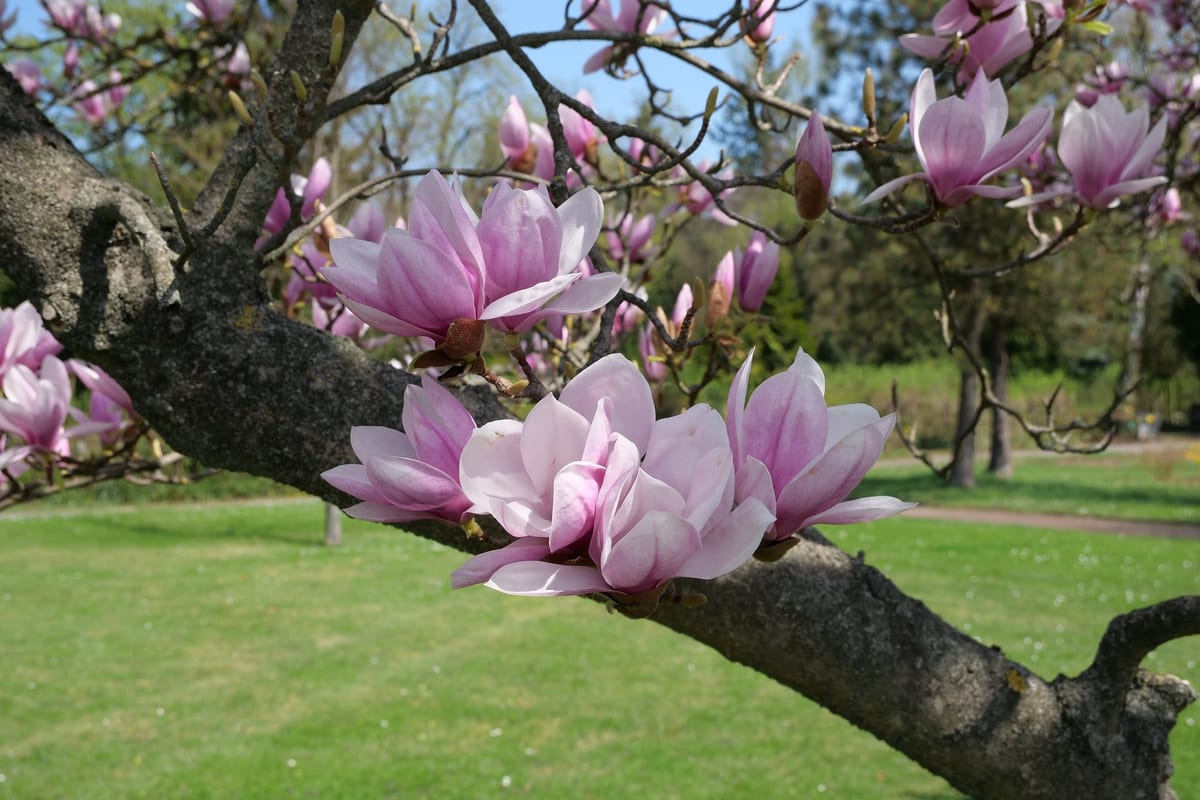
A bare tree trunk sticking out of a lawn looks unfinished. The tree itself might be gorgeous, but the base where trunk meets ground is usually a dirt patch, exposed roots, and scraggly grass that the mower scalps every week.
Fix that transition zone, and your whole yard looks like a different property. I’ve tried all of these over the years and keep coming back to a few favorites. Here are seven ways to dress up the ground around your trees.
How do you build a border wall around a tree?
Stack interlocking landscape bricks in a circle around the trunk, leaving at least 6 inches between the inner edge of the wall and the bark. Fill the enclosed area with mulch or decorative stone.
This is the most popular option because it looks clean and takes about two hours on a Saturday morning. A ring of interlocking pavers runs $40 to $80 depending on the diameter. Tumbled Belgian block costs more ($80 to $150 for a 4-foot ring) but looks better ten years later because weathering adds character instead of exposing cheap concrete.
Keep the wall height under 4 inches. Piling soil or mulch against the trunk causes rot, and that’s how you lose a $2,000 tree to a $30 mistake. The root flare (where the trunk widens at the base) should always stay visible and exposed to air. The International Society of Arboriculture calls this out as one of the most common tree care errors homeowners make.
For a more natural look, use stacked fieldstone instead of manufactured pavers. I picked up enough granite fieldstone from a local quarry to ring my Valley Oak for about $60. It took longer to place, but the effect is worth it.
What mulch should you use around trees?
A 2- to 4-inch layer of organic mulch around the base looks sharp and does real work. According to ISA best practices, proper mulching retains soil moisture, moderates soil temperature extremes, reduces weed competition, and keeps mower blades away from surface roots.
Spread it in a flat circle 3 to 6 feet out from the trunk, depending on the tree’s size. The bigger the drip line, the wider your mulch ring should go. Leave a 3- to 6-inch gap between the mulch and the bark. Mulch piled against a trunk (called a “mulch volcano”) kills trees by trapping moisture against the bark and encouraging fungal growth. You see these volcanoes everywhere, including in front of businesses with professional landscaping crews. Wrong every time.
Best organic mulches for around trees:
- Shredded hardwood bark: breaks down slowly, stays put in wind, looks natural
- Arborist wood chips: free from many tree services, excellent for soil biology
- Pine straw: good for acid-loving trees like oaks and dogwoods, zones 6-9
Brown and black mulch look natural in most yards. Red mulch makes a statement, for better or worse. Your call, but after a few months of sun bleaching, red mulch turns pink. Replenish any organic mulch once a year in spring when you’re already doing tree maintenance.
How do you arrange a rock garden around a tree?
Rocks at the base of a tree add texture and require zero maintenance once placed. Mix sizes for the best look: a few larger stones (8 to 12 inches) as anchors with river rock fill in between.
Leave gaps between the stones so rain reaches the roots. A solid, packed layer of rock will shed water away from your tree instead of letting it soak in. Think of it like a loose arrangement, not a sealed surface. This matters most during summer in zones 8-10, where afternoon temperatures bake exposed rock and heat radiates back into the trunk at night.
One thing to watch: don’t pile rocks directly against the bark. Same principle as mulch. Keep 4 to 6 inches of clearance around the trunk. And avoid limestone rock near acid-loving trees like pin oaks (Quercus palustris) or blueberries. Pin oak is a common yard tree in Northern California, growing 60-70 feet tall in full sun with moderate water needs. It wants acidic to neutral soil (pH below 7.0), and Sacramento Valley soils tend to run alkaline. That’s why you see pin oaks with yellow leaves and green veins around here, a condition called iron chlorosis caused by high soil pH. Limestone rock makes it worse.
Flat flagstones work well if you want stepping stones leading to a seating area under the tree. A garden arch or trellis nearby can add vertical interest and frame the path.
What plants grow well under trees?
Shade-tolerant perennials around a tree base add color from spring through fall without competing too aggressively with the tree’s roots. Native varieties are best because they’ve already adapted to your soil and climate.
The biggest mistake I see people make is planting sun-lovers under a canopy and wondering why they die by July. The other mistake is digging too deep into the root zone. When planting under established trees, dig shallow holes (4 to 6 inches max) and avoid cutting roots thicker than your thumb.
Shade-tolerant perennials for under trees (zones 5-9):
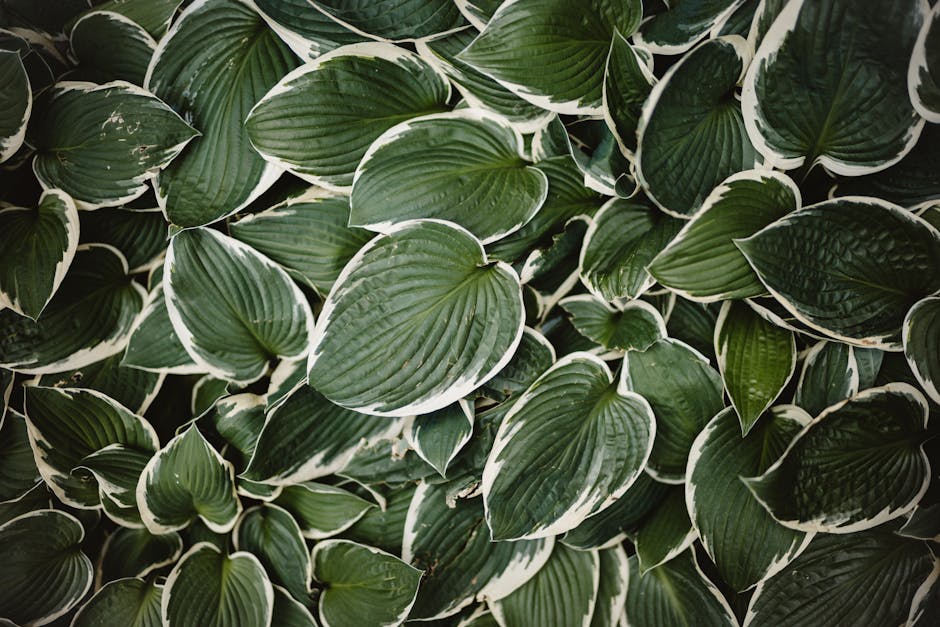
- Hostas: the undisputed champion of shade. ‘Patriot’ and ‘Sum and Substance’ are two of the hardiest varieties. Slug-resistant options exist for wet climates.
- Wild violets (Viola sororia): native to most of the US, spread on their own, bloom purple in spring
- Bleeding heart (Dicentra spectabilis): pink heart-shaped flowers from April to June, goes dormant in summer heat
- Woodland phlox (Phlox divaricata): blue-purple flowers in spring, grows 10 to 15 inches, zones 3-8
- Coral bells (Heuchera): grown for the foliage, not the flowers. Varieties range from lime green to deep purple. Zones 4-9.
- Liriope (lilyturf): evergreen grass-like clumps, purple flower spikes in late summer, nearly indestructible in zones 5-10
Plant them inside a mulched border ring for a contained look, or let them spread naturally into the lawn for a cottage garden feel. For trees that cast dense shade year-round, stick with hostas, liriope, and ferns. They’ll handle the low light without complaint.
Check your USDA zone before buying anything. A shade perennial mix from a local nursery will have the right species for your area. Online orders from out of state are a gamble unless you verify the zone rating on each plant.
How do you create a seating area under a tree?
If you have a large tree with high branches and deep shade, put a bench under it. Add stepping stones leading from the patio, surround the area with mulch or pea gravel, and you’ve built yourself a private retreat for the cost of a dinner out.
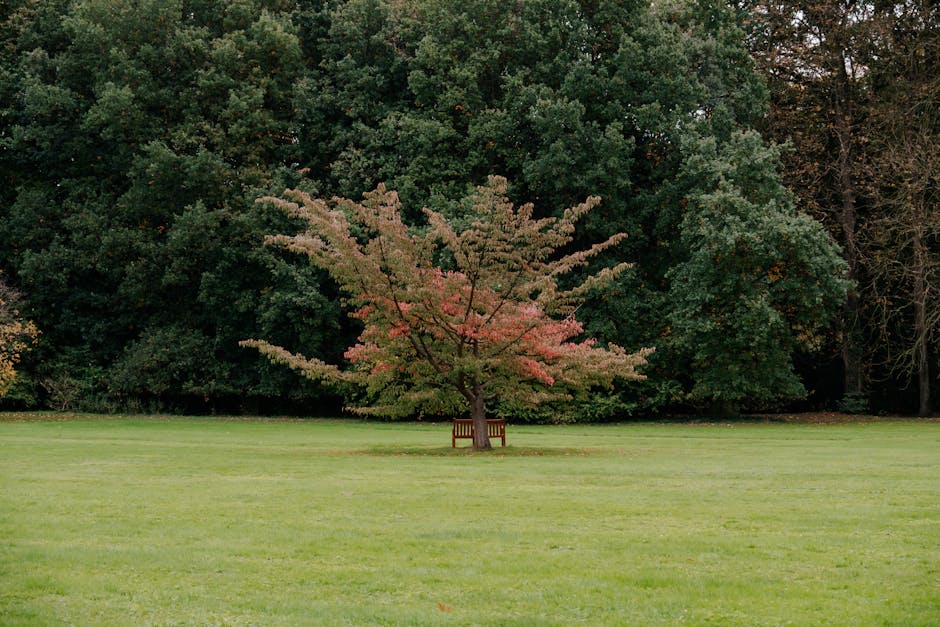
This works best under oaks, maples, elms, and other broad-canopy trees that cast dense shade in summer. Not ideal under messy trees like sweetgum or mulberry unless you enjoy sweeping constantly.
A simple wooden bench costs $60 to $150 at any home improvement store and lasts for years with an annual coat of sealant. Apply the sealant in early spring before the rainy season hits. Teak and cedar benches cost more ($200 to $500) but weather naturally to a silver-gray patina without any maintenance.
For seating that stays put, consider a curved tree bench that wraps partway around the trunk. These run $150 to $400 for a half-round model. Leave at least 6 inches between the bench and the bark so the tree has room to grow. Trees add girth every year. A bench installed snug against the trunk will be embedded in the bark within a decade.
Add a bird feeder to the lowest branch and you’ve got a spot worth spending entire afternoons.
How do you add landscape lighting around trees?
Lighting turns a daytime tree into a nighttime showpiece. The two best approaches for residential trees are uplighting and string lights.
Uplighting means placing a low-voltage LED spotlight at the base of the tree, angled up into the canopy. This creates dramatic shadows and highlights the trunk’s texture. A basic low-voltage LED spotlight kit with a transformer runs $50 to $120 for a set of 4 to 6 fixtures. Aim for warm white (2700K to 3000K) so the light looks natural, not like a parking lot.
Position uplights 1 to 2 feet from the trunk, angled about 30 degrees. For a tree with a 20-foot canopy spread, two lights on opposite sides of the trunk create the best effect. Larger trees (40+ foot canopy) benefit from three fixtures spaced evenly.
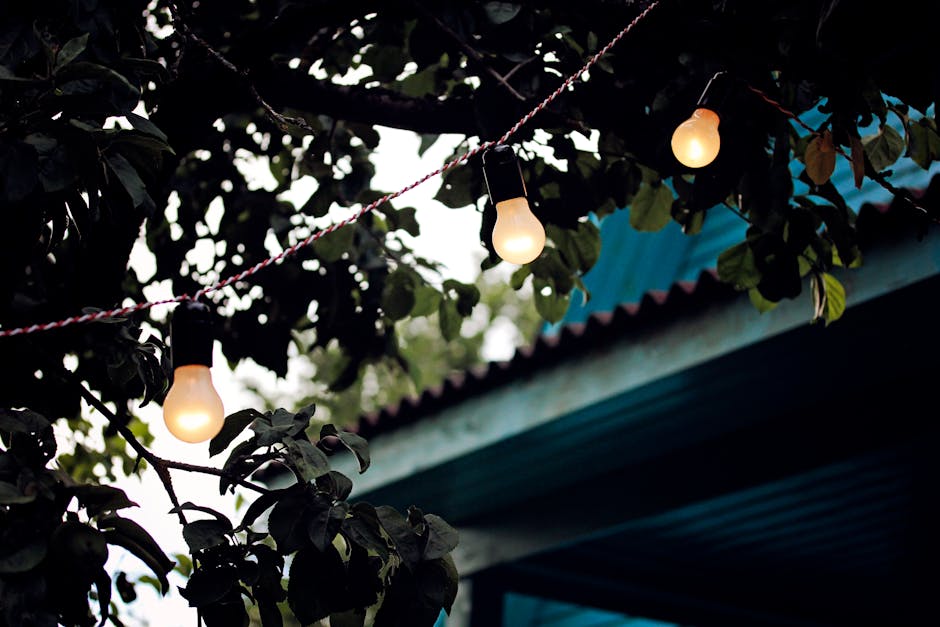
String lights draped through lower branches create a different mood, more casual and festive. Use outdoor-rated LED string lights (not the cheap indoor sets). Commercial-grade string lights with suspended Edison bulbs cost about $30 to $60 for a 50-foot strand and last 5 or more seasons.
Wrap the lights from the trunk outward along 3 or 4 main branches. Don’t cinch them tight. Leave slack so the branch can sway in wind without snapping the wire. Never nail or screw fixtures into a living tree. Use rubber-coated hooks or wrap-around clips designed for outdoor use.
Run all outdoor lighting through a GFCI-protected outlet and put it on a timer. Nobody wants to go outside at 11 PM in January to unplug tree lights.
What ground cover works best under trees?
When grass refuses to grow under your trees (and it will, in dense shade), ground cover plants are the permanent fix. They fill in bare patches, prevent erosion, and look better than trying to keep a sad lawn alive under a canopy.
Best ground covers for under trees:
- Creeping Jenny (Lysimachia nummularia): fast spreader, golden-green leaves, zones 3-9. Avoid the species in wet areas where it can become invasive.
- Pachysandra (Pachysandra terminalis): classic shade ground cover, evergreen, zones 4-8. Spreads by runners, forms a uniform 6-inch carpet.
- Sweet woodruff (Galium odoratum): white flowers in May, smells like fresh-cut hay, zones 4-8. One of the few ground covers deer leave alone.
- Mondo grass (Ophiopogon japonicus): looks like a miniature ornamental grass, evergreen, tolerates dry shade in zones 6-10. Slow to establish but worth the wait.
Plant ground covers in fall or early spring when soil is cool and moist. Space them according to the tag (usually 6 to 12 inches apart) and mulch between plants until they fill in. Most shade ground covers take two growing seasons to form a solid mat.
If you’ve got a tree stump in the area that you’re working around, ground covers are a great way to blend it into the landscape without the expense of grinding.
Mix and match
These ideas combine well. A border wall with mulch inside, hostas around the outer edge, and a stepping stone path leading to a bench under the canopy. Layer them based on your tree’s size and your budget. If you want help tying everything together, consider working with expert landscape design services who can draw up a plan that accounts for root zones, drainage, and sight lines.
Start small. A mulch ring and a few hostas cost under $50 and take one afternoon. You can always add the border wall, bench, and lighting later. The only rule that matters: don’t bury the root flare. Everything else is fair game.