Trees native to Sacramento

Sacramento calls itself the City of Trees, and the trees that built that reputation were here long before the city was. Trees native to Sacramento evolved with 105-degree summers, months without rain, and heavy clay soil. They don’t need babysitting. Once established, most of them need zero supplemental water. They feed the birds, the butterflies, and the soil. Non-native trees can look great, but they’ll always be fighting the climate. Natives already won that fight.
I’ve watched native oaks and sycamores survive droughts that killed irrigated landscape trees across the street. That tells you everything about what belongs in a Sacramento yard.
Here are ten native species worth planting, from massive shade trees to small-yard specimens.
What is the best native shade tree for Sacramento?
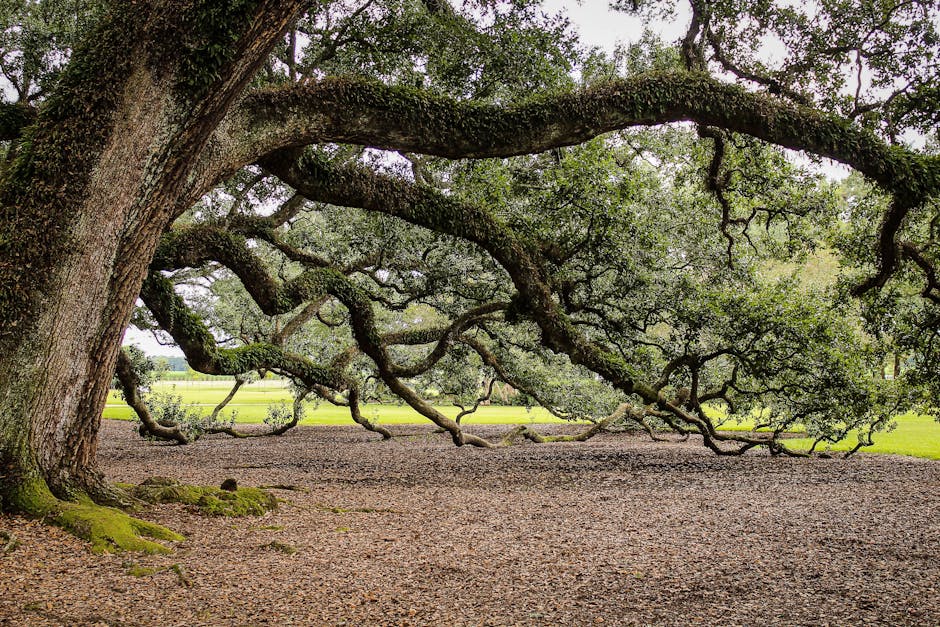
Valley Oak (Quercus lobata) is the king of Sacramento trees. Nothing else comes close for sheer presence. A mature Valley Oak reaches 60 to 100 feet tall with a canopy spread that can hit 70 feet or more. The branches droop and arch until some of them touch the ground. One tree can shade an entire backyard, a driveway, and half the neighbor’s lot.
You’ll see Valley Oaks growing wild along the Sacramento River, in Rancho Cordova, throughout the American River Parkway, and scattered across ranch land in the Central Valley. They’re the big, spreading oaks with deeply lobed leaves that turn gold and russet in November. If you want Sacramento fall color that actually delivers, a Valley Oak in October is hard to beat.
Valley Oaks grow fast for an oak. Expect 2 to 3 feet per year in good soil with some water when young. After five years, stop irrigating entirely. Overwatering mature Valley Oaks actually kills them by encouraging root rot.
This tree is not for a 5,000-square-foot lot. You need a big yard or a rural property. But if you have the room, plant one and your grandkids will thank you. Nursery price for a 5-gallon Valley Oak runs $30 to $60. A 15-gallon specimen costs $80 to $150. Zones 7-9.
Are live oaks native to Sacramento?
Interior Live Oak (Quercus wislizeni) is the evergreen oak native to the Sacramento foothills. It keeps its dark green, leathery leaves year-round, which makes it one of the few native trees that provides winter screening and structure when everything else is bare.
Interior Live Oaks grow 30 to 50 feet tall in a yard setting with a dense, rounded canopy. Growth rate is slow to moderate, about 12 to 18 inches per year. You’ll find them growing wild on the slopes between Auburn and Sacramento, along Highway 49, and throughout the foothill oak woodlands east of Folsom. They handle heat, drought, and rocky soil. Once established, they need no summer water at all.
For a medium to large yard where you want year-round green and serious shade, Interior Live Oak is the pick. Expect to pay $40 to $80 for a 5-gallon tree. Zones 7-10.
Which Sacramento native oak handles drought best?
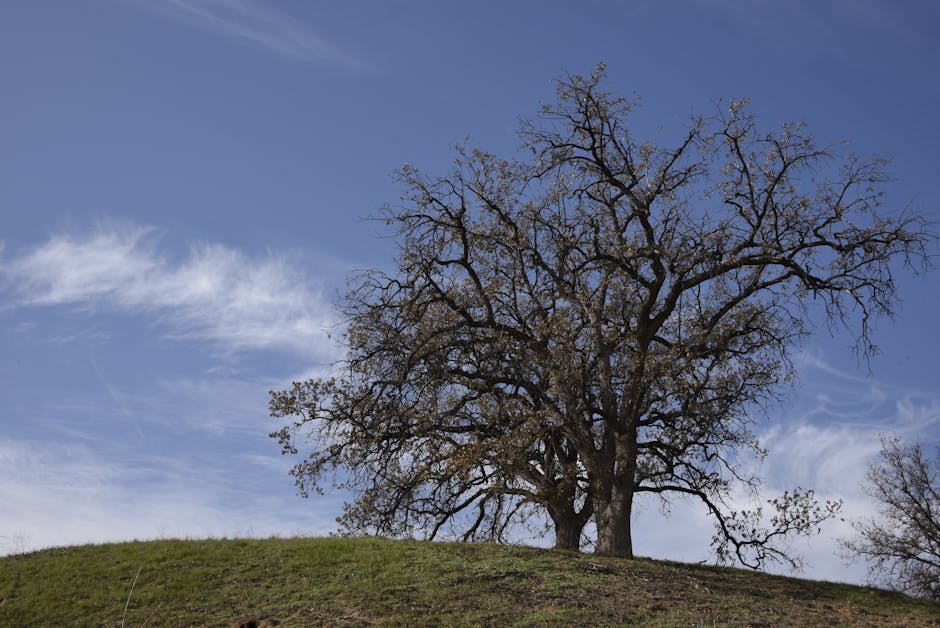
Blue Oak (Quercus douglasii) is California’s most drought-tolerant deciduous oak. Period. This tree survives on rainfall alone in areas that get 15 inches of rain per year. In a really dry year, it drops its leaves in summer and waits for rain. It’s not dying. It’s just smarter about water than you are.
Blue Oaks grow 30 to 50 feet tall with a rounded, spreading crown. The leaves are a distinctive blue-green that looks silver in certain light. You can spot Blue Oaks on every foothill drive between Sacramento and the Sierra, especially along Highway 16 toward Jackson and Highway 49 between Auburn and Placerville.
This tree grows slowly, about 12 inches per year. It’s worth the wait. Blue Oaks live 400 years or more. Plant one in full sun in well-drained soil. Don’t overwater it. Seriously. Summer irrigation kills more planted Blue Oaks than drought does. Water once a month in the first two summers, then stop.
Nursery price runs $30 to $60 for a 5-gallon tree. Harder to find than Valley Oak at big box nurseries, but native plant sales (more on that below) always carry them. Zones 7-9.
Is California Sycamore a good yard tree?
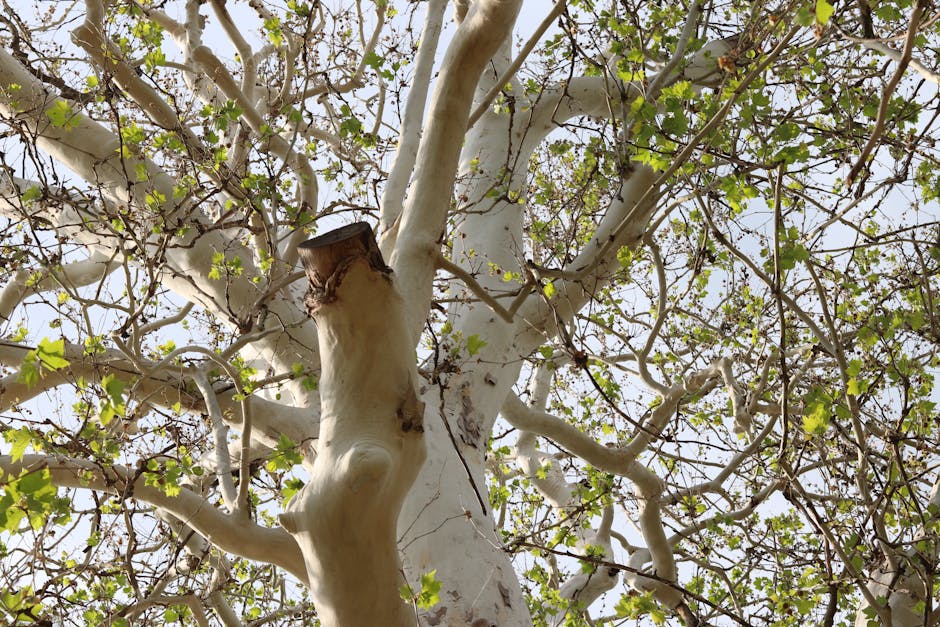
California Sycamore (Platanus racemosa) is the big, gorgeous tree you see growing along every creek and river in the Sacramento area. The white, mottled bark peels off in patches to reveal smooth cream, green, and tan underneath. It looks like living art. On a sunny afternoon, the bark practically glows.
These trees grow fast. Three feet per year when young is normal. Mature size runs 40 to 80 feet tall with a broad, irregular canopy and big, maple-shaped leaves that provide dense summer shade.
California Sycamores grow naturally along the American River, Dry Creek, and the Sacramento River corridor. They want more water than the oaks. Plan on deep watering every two to three weeks during summer for the first five years. After that, a monthly deep soak keeps them happy.
The downside: big leaves, seed balls, and bark litter. You’ll rake. A lot. But the shade and the bark are worth the mess. This tree works best in large yards with room to spread. Keep it 20 feet from foundations and sidewalks because the roots are aggressive. If you need a tree that plays nice near hardscape, look at smaller natives instead. Nursery price for a 5-gallon California Sycamore runs $25 to $50. Zones 7-10.
What native trees work in a small Sacramento yard?
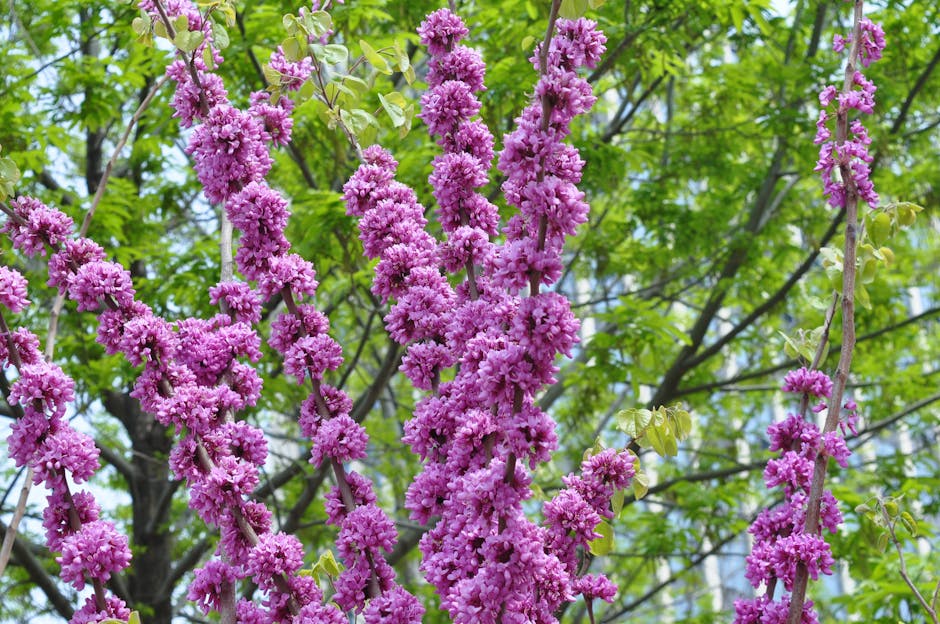
Western Redbud (Cercis occidentalis) is the best native tree for a small yard in the Sacramento region. It tops out at 10 to 20 feet with a similar spread. In early spring (March into April), before a single leaf appears, the entire tree erupts in magenta-pink flowers. The effect lasts two to three weeks and stops traffic.
After the flowers, heart-shaped leaves emerge blue-green and hold through summer. Fall color is a decent yellow to red. Then the bare branches show off reddish-brown bark through winter. You get four seasons of interest from a tree the size of a large shrub.
Western Redbuds grow wild in the Sacramento foothills, especially along the Highway 49 corridor from Auburn to Placerville. They handle full sun, poor soil, and drought with zero complaints. No supplemental water once established. They’re also one of the first food sources for native bees in spring.
Plant one near a patio, in a courtyard, or as a front yard specimen. If you’re working with a tight lot, check our guide to the best trees for small yards for more options that won’t outgrow the space. Western Redbuds run $20 to $50 for a 5-gallon container at native plant nurseries. Zones 6-9.
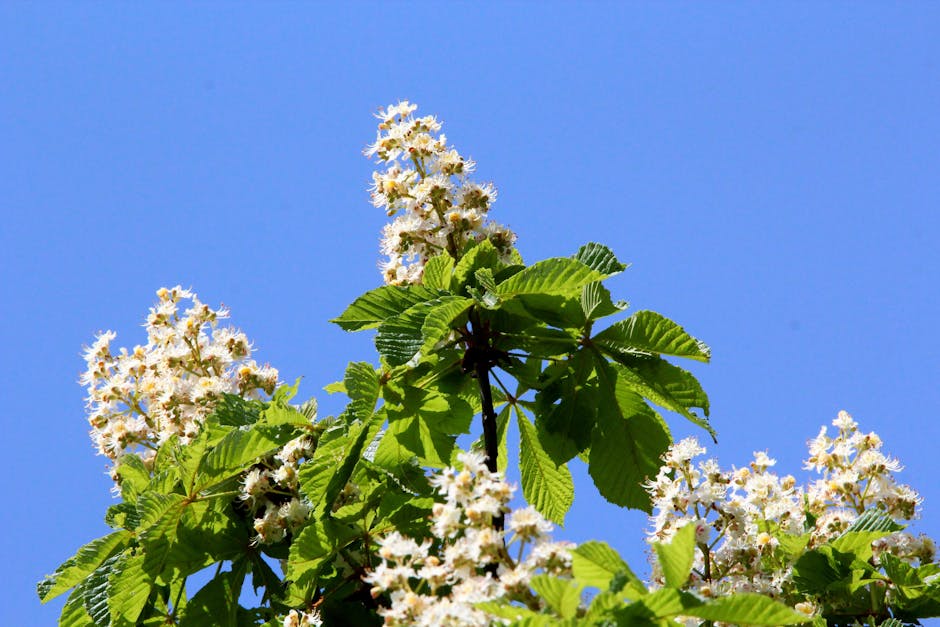
Why does my California Buckeye drop its leaves in July?
Because it’s supposed to. California Buckeye (Aesculus californica) is a summer-deciduous tree, meaning it drops its leaves in the hottest part of summer and goes dormant until fall rains arrive. This freaks out new homeowners every single year. Your tree isn’t dying. It’s doing what it evolved to do over thousands of years.
In spring, Buckeye is one of the first native trees to leaf out, sometimes as early as January. By May and June, it produces spectacular spikes of fragrant white flowers that attract every butterfly and hummingbird in the neighborhood. The flowers give way to large, shiny brown seeds by fall. Then the leaves drop in July or August, leaving bare silver-gray branches for the rest of summer.
The tree grows 15 to 30 feet tall with a wide, rounded form that’s often multi-trunked. Pair it with an evergreen background (Interior Live Oak works perfectly) and the silver branches look sculptural against the green.
Buckeyes grow throughout the Sacramento foothills and in shaded canyon bottoms along creeks. Full sun to part shade. No summer water needed. Nursery price runs $25 to $60 for a 5-gallon tree. Zones 7-8.
One warning: all parts of the tree are toxic to humans and livestock. The seeds are especially toxic. If you have curious toddlers or horses, plant something else.
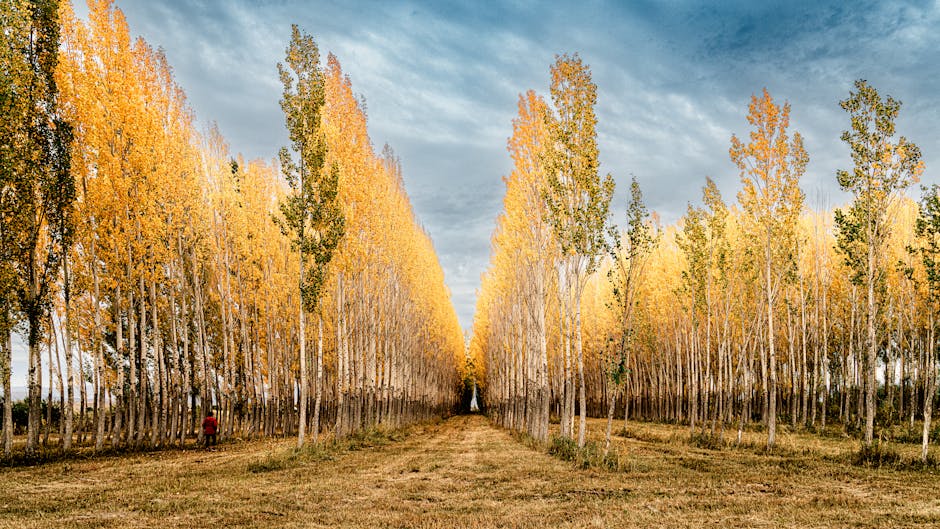
Is Fremont Cottonwood worth the mess?
Fremont Cottonwood (Populus fremontii) is the biggest, fastest, messiest native tree on this list. It grows 60 to 100 feet tall and can put on 10 to 20 feet in a single year when young. The golden fall color in November rivals any eastern hardwood.
You’ll see Cottonwoods along every river and creek in the Sacramento Valley. In spring, female trees release clouds of cottony seeds that drift like snow and clog window screens, pool filters, and HVAC units.
My honest take: plant a male Cottonwood if you have a large property, or don’t plant one at all. The fall color is spectacular and the shade is immediate. But in a standard suburban yard, the roots will find your sewer line and the cotton will make your neighbors hate you.
If you have an acre or more and want fast shade near water, Cottonwood delivers. Nursery price runs $20 to $40 for a 5-gallon tree. Needs moderate water in summer. Zones 3-9.
What about Gray Pine, Oregon Ash, and California Black Walnut?
Three more native trees round out the Sacramento lineup. Each has a specific use case.
Gray Pine (Pinus sabiniana), also called Foothill Pine, is the wispy, open-canopied pine you see on every drive into the Sierra foothills. It grows 40 to 80 feet tall with a sparse, see-through canopy that provides filtered light rather than dense shade. The needles are pale gray-green and droop. The cones are enormous, sometimes 10 inches across and heavy enough to dent a car. Gray Pine is not a conventional yard tree. But on a foothill property where you want to match the natural landscape, nothing looks more right. Full sun, no water once established, tolerates the worst rocky soil. $20 to $40 for a 5-gallon tree. Zones 8-10.
Oregon Ash (Fraxinus latifolia) is a medium to large tree (40 to 60 feet) native to the Sacramento River and its tributaries. It grows in wet areas and produces yellow fall color. Oregon Ash is becoming increasingly rare in the wild due to development and habitat loss along Sacramento-area waterways. If you have a wet spot in your yard or a seasonal creek, Oregon Ash is one of the few native trees that thrives in standing water. It’s hard to find at nurseries. Your best bet is native plant sales through the Sacramento Tree Foundation or the UC Davis Arboretum plant sales. Zones 6-9.
California Black Walnut (Juglans hindsii), specifically the Northern California Black Walnut or Hinds’ Walnut, is actually native to the Sacramento area. This is the walnut you see growing wild along creeks and in old ranch yards. It reaches 30 to 60 feet tall with a broad crown and good shade. The wood is gorgeous (it’s called “claro walnut” by woodworkers). One big caveat: the roots produce juglone, a chemical that’s toxic to tomatoes, peppers, azaleas, and a long list of other plants. Don’t plant one near your vegetable garden. $30 to $60 for a 5-gallon tree. Zones 7-9.
Where do you buy native trees in Sacramento?
The big box nurseries carry some natives, usually Valley Oak and maybe a Western Redbud. For the full range of Sacramento native trees, you need specialty sources.
UC Davis Arboretum plant sales happen several times a year (spring and fall) and carry an excellent selection of California natives, including species you won’t find anywhere else. The Arboretum All-Stars program identifies plants specifically selected for Sacramento Valley conditions. Get there early. The best trees sell out in the first hour. Check arboretum.ucdavis.edu for sale dates.
Sacramento Tree Foundation runs native tree programs and can point you to sources for species that commercial nurseries don’t carry. Their website at sactree.org has a tree database with species profiles for every tree on this list.
Native plant nurseries within driving distance include Elderberry Farms in Roseville, Cornflower Farms in Elk Grove, and the Watershed Nursery (East Bay, but they ship). These places grow from local seed stock, which means the trees are genetically adapted to your exact climate.
Can you get free native trees in Sacramento?
Yes. SMUD partners with the Sacramento Tree Foundation to run the Sacramento Shade program. They’ll give you up to 10 free shade trees, send a community forester to your property to help you pick species and locations, and provide planting guidance. The program has planted over 630,000 trees since 1990.
Call 916-924-TREE (8733) or visit sactree.org to schedule an appointment. The free trees are typically available for planting from October through April. Not every species on this list is offered through the program, but Valley Oak, Interior Live Oak, and California Sycamore usually are.
If you’re planning to plant this fall or winter, getting on their schedule in September gives you the best selection.
Why do Sacramento native trees outperform non-natives?
Sacramento sits in USDA zone 9b. Summer temperatures regularly hit 105 to 110 degrees. Rain falls almost exclusively between November and April. The soil is heavy clay in the valley and rocky decomposed granite in the foothills. That combination kills trees from other climates.
Non-native trees from the eastern US or Europe expect summer rain. When they don’t get it, they need irrigation. That costs money, wastes water during drought restrictions, and creates shallow root systems that blow over in wind storms. I’ve watched Bradford Pears, Sweetgums, and other trees you should never plant struggle through Sacramento summers while the native oaks next to them barely noticed the heat.
Sacramento native trees evolved with this exact climate. Their roots go deep to find groundwater. Some, like the Buckeye, simply go dormant when conditions get brutal. That’s not a weakness. That’s 10,000 years of adaptation at work.
The practical payoff: once a native tree establishes (two to three years with occasional deep watering), your water bill for that tree drops to zero. Try that with a Tulip Tree or a Pin Oak.
What are the honest downsides of native trees?
I’d be lying if I said native trees are perfect for every situation. Here’s what to know.
Size. Valley Oaks, Sycamores, and Cottonwoods are massive trees. If your lot is under 7,000 square feet, stick with Western Redbud, California Buckeye, or Blue Oak.
Mess. Cottonwoods drop cotton. Sycamores drop bark and leaves constantly. Gray Pines drop cones that weigh several pounds each. Oaks drop acorns by the thousands. If you want a tidy yard, you’ll be raking.
Dormancy. California Buckeye drops its leaves in summer. Blue Oak might too in a bad drought year. If bare branches in August bother you, plant an evergreen native like Interior Live Oak instead.
Slow growth. Blue Oak and Interior Live Oak grow about 12 inches per year. If you want shade in five years, plant a California Sycamore or a Cottonwood. The oaks are playing the long game.
Availability. You won’t find Oregon Ash or California Black Walnut at Home Depot. You need to seek out native plant nurseries or plant sales. Budget extra time for sourcing.
None of these are deal-breakers. They’re just honest trade-offs. The difference is that native trees give you those trade-offs while supporting local wildlife, conserving water, and looking like they belong here. Because they do.
For ideas on landscaping with drought-tolerant plants that complement native trees, pairing oaks and Redbuds with native bunch grasses and manzanita creates a yard that needs almost no irrigation.