Where do cherry trees grow best

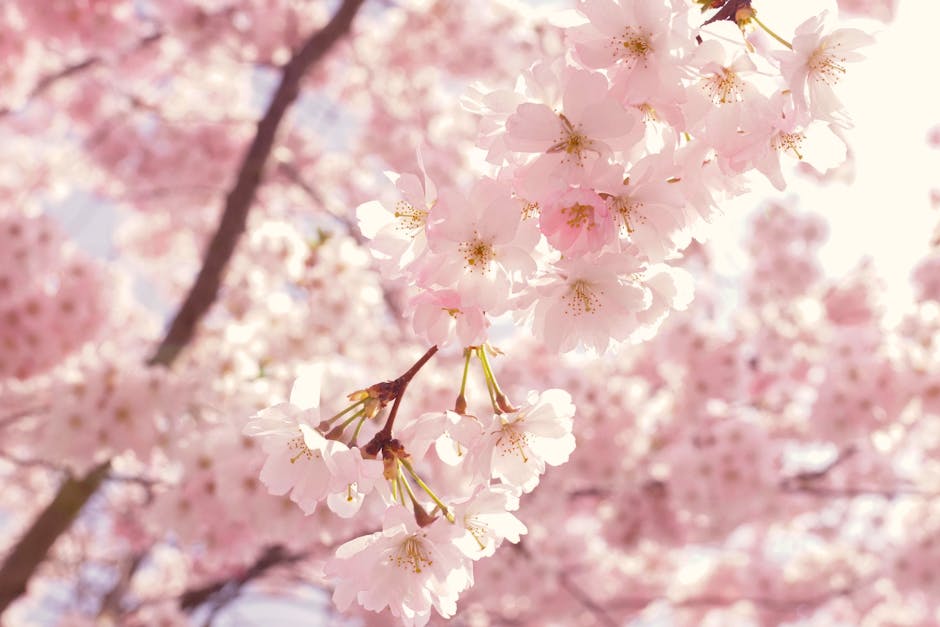
Where do cherry trees grow best? Zones 5 through 8. They need cold winters (700 to 1,000 chill hours below 45 degrees F), well-drained soil, and full sun. If you live in the Sacramento Valley, you’re sitting in one of the best cherry-growing regions in the country. We get 800 to 1,000 chill hours most winters, the soil drains well in most neighborhoods, and the summers are dry enough to keep fungal diseases off the fruit. I’ve grown cherries here for over fifteen years, and the trees that do well really do well.
But “cherry tree” covers a lot of ground. Flowering cherries, sweet cherries, and sour cherries all have different needs. Pick the wrong type for your yard and you’ll spend five years wondering why your tree looks miserable.
What’s the difference between flowering, sweet, and sour cherry trees?
Three groups of cherry trees exist, and they serve different purposes.
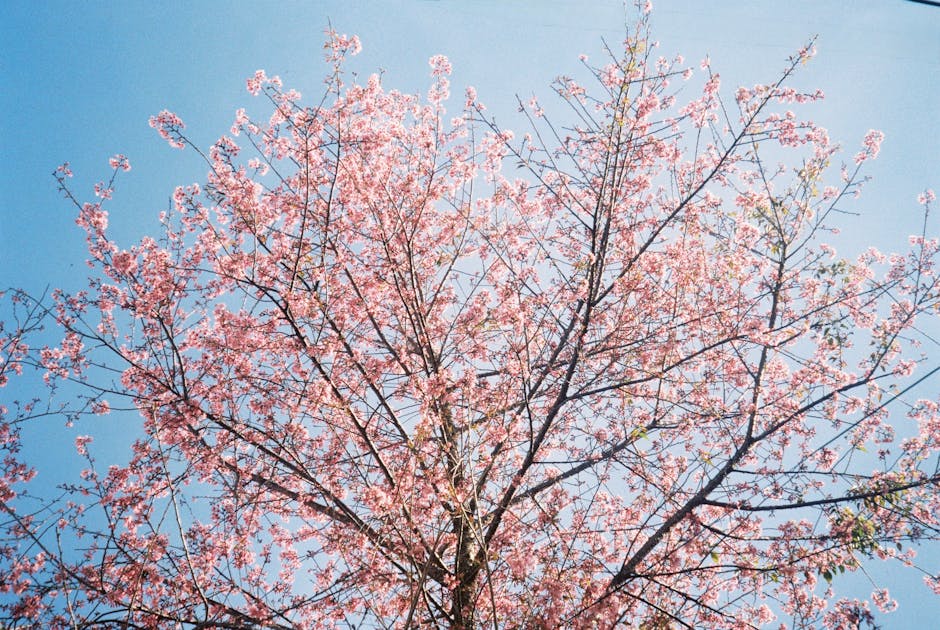
Flowering cherries (Prunus serrulata, P. x yedoensis, and others) are ornamental. You plant them for the spring bloom. Most produce tiny fruit that birds eat before you notice it. No mess, no harvest, just two to three weeks of blossoms every March or April.
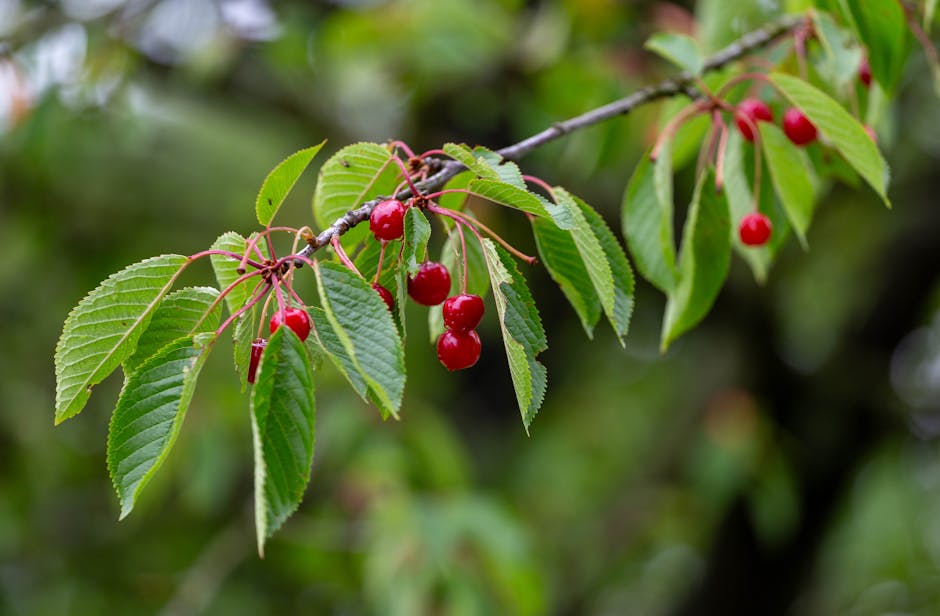
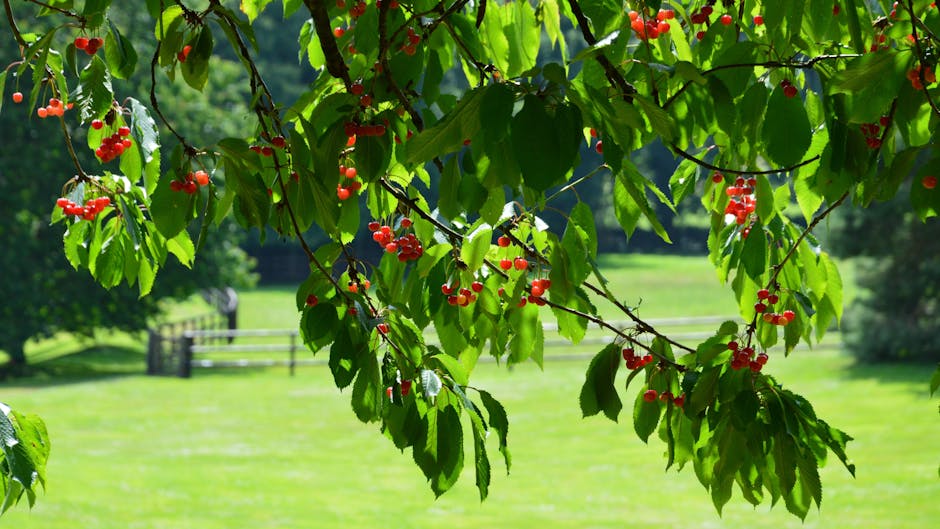
Sweet cherries (Prunus avium) are the eating cherries you buy at the grocery store. Bing, Rainier, Stella, Lapins. These are the pickiest of the three groups. They need a pollination partner (unless you buy a self-fertile variety), they’re susceptible to rain cracking, and they demand more chill hours than most people expect.
Sour cherries (Prunus cerasus) are tougher than sweet cherries. They self-pollinate, tolerate colder zones (down to zone 4), and handle less-than-perfect soil. You won’t eat them fresh off the tree, but they make the best pies and preserves. Montmorency is the standard variety and it’s a workhorse.
Which cherry tree varieties grow best in Northern California?
I’ve tried six varieties in the Sacramento area. Here’s what actually works.
Yoshino cherry (Prunus x yedoensis) is the classic flowering cherry you see in Washington, D.C. during the National Cherry Blossom Festival. It grows 25 to 35 feet tall and wide, with a graceful spreading form. Zones 5-8. The pale pink to white blossoms appear in early March here, usually a week before other cherries. It doesn’t produce edible fruit. If you want the spring show without the summer cleanup, this is your tree. Expect to pay $150 to $300 for a 6- to 8-foot nursery specimen.
Okame cherry (Prunus x incamp ‘Okame’) blooms even earlier, sometimes late February in zone 9a. Deep pink flowers on a smaller tree, 20 to 25 feet tall. It’s the first ornamental tree to bloom in my neighborhood every year. Tidy growth habit, no fruit mess. This one works well in smaller yards where a full-size Yoshino would crowd things out. Budget $120 to $250.
Bing cherry is the dark red sweet cherry everyone knows. Outstanding flavor. But it needs a pollination partner (Rainier, Stella, or Lapins all work) and it’s susceptible to cracking if rain hits during harvest in late May or June. In the Central Valley, that’s rarely a problem because it almost never rains in June. Bing needs 700 to 800 chill hours. We deliver that most years. Grows 15 to 25 feet tall. $40 to $80 for a bare-root tree, $100 to $200 in a 5-gallon container.
Rainier cherry produces the yellow-blushed fruit that sells for $6 to $8 a pound at the supermarket. The flavor is sweeter and milder than Bing. Same pollination requirements, same chill hours. Rainier is slightly more cold-hardy than Bing and the fruit is less prone to cracking. Plant one Bing and one Rainier 15 to 20 feet apart and they’ll cross-pollinate each other.
Stella cherry changed the game for backyard growers. It’s self-fertile, so you only need one tree. The dark red fruit is slightly smaller than Bing but the flavor is close. Zones 5-8, 700 chill hours. If you have room for only one sweet cherry, buy a Stella. $40 to $80 bare-root.
Lapins cherry is another self-fertile variety and my personal favorite for eating fresh. The fruit is large, firm, dark red, and cracks less than Bing. It’s a stronger, more upright grower than Stella with better disease resistance. Zones 5-8, 700 to 800 chill hours. Lapins is the one I recommend to every neighbor who asks about fruit trees. $40 to $100 bare-root.
How many chill hours do cherry trees need?
Chill hours are the total hours between 32 and 45 degrees F that accumulate from November through February. Cherry trees need this cold period to break dormancy properly. Without enough chill hours, the tree produces fewer flowers, sets less fruit, and leafs out irregularly. It looks confused.
Most sweet cherries need 700 to 1,000 chill hours. Sour cherries need 600 to 700 hours. Flowering cherries vary by species but most need 400 to 800 hours.
Sacramento averages 800 to 1,000 chill hours per year. The Sierra foothills get even more. The Bay Area coast gets fewer, typically 400 to 600 hours, which rules out most sweet cherries but works fine for flowering types and low-chill varieties like ‘Minnie Royal’ and ‘Royal Lee’ (only 200 to 300 hours needed).
If you live in Southern California below zone 9a, skip sweet cherries entirely. You won’t get the chill hours. Plant a low-chill variety or stick to flowering cherries.
What soil do cherry trees need?
Well-drained soil. That’s the non-negotiable. Cherry roots sitting in waterlogged soil develop root rot (Phytophthora) fast, and once root rot takes hold, the tree is done. No amount of fungicide saves a cherry tree with rotting roots.
The ideal pH range is 6.0 to 7.0, slightly acidic to neutral. Most Sacramento Valley soil falls in the 6.5 to 7.5 range, which works. If your soil tests above 7.5, work sulfur and compost into the planting area to bring it down.
Sandy loam is perfect. Clay is not. If you have heavy clay (and half of Sacramento does), you have two options. First, plant on a raised mound, 12 to 18 inches above grade, so the root crown stays above the clay drainage line. Second, amend a wide planting area, at least 6 feet in diameter, with compost and coarse organic matter. Don’t just dig a hole in the clay and backfill with nice soil. That creates a bathtub that holds water around the roots.
Where should you plant a cherry tree in your yard?
Full sun. Eight hours minimum. Cherry trees don’t bloom well or fruit well in shade. Period.
Pick a spot with good air circulation. Still, humid air promotes brown rot, the most common fungal disease on cherries. Don’t plant in a corner where air stagnates against two fences.
Avoid low spots in your yard. Cold air flows downhill and pools in depressions. A cherry tree in a low spot is the first tree hit by late spring frost, and a hard frost in March after the blossoms open kills the entire fruit crop. Plant on a gentle slope or at least on level ground, never in a bowl.
South-facing or southeast-facing exposures work best. The tree warms up gradually in the morning and gets full afternoon sun. For our full breakdown on site selection and hole preparation, see our tree planting tips.
Where should you NOT plant cherry trees?
Zone 9b and hotter. Sweet cherries don’t get enough chill hours. The trees survive but barely produce fruit. Flowering cherries are more heat-tolerant, but even they struggle below zone 9a with afternoon temperatures regularly above 100 degrees F.
Wet, boggy ground. Cherries and standing water are incompatible. If your yard holds puddles for more than 24 hours after rain, don’t plant a cherry there.
Heavy, undrained clay. Same problem. The roots can’t breathe. You’ll see leaf yellowing in the first summer and branch dieback by year three.
Under or near black walnut trees. Black walnuts produce juglone, a chemical that kills cherry trees. Keep at least 50 feet of distance from any black walnut.
Right next to a sidewalk or driveway. Cherry tree roots are moderately aggressive. Plant at least 10 feet from any hardscape.
What about flowering cherries for people who just want the blooms?
If you want the spring bloom without dealing with fruit drop, birds, wasps, and sticky sidewalks, flowering cherries are the answer. They’re also more forgiving than sweet cherries in terms of soil, chill hours, and pollination.
Yoshino is the gold standard. Pale pink to white, single flowers, graceful spreading form. 25 to 35 feet.
Okame is smaller and blooms earlier. Deep pink, upright form. 20 to 25 feet. Best choice for compact yards.
Kwanzan (Prunus serrulata ‘Kanzan’) has big, fluffy double pink flowers that look like carnations on a tree. 25 to 30 feet. Showier than Yoshino but the flowers don’t last as long. Zones 5-9.
Akebono (also sold as ‘Daybreak’) is a Yoshino selection with slightly pinker flowers and better disease resistance. 25 feet. This is the variety Sacramento planted along Capitol Mall, and they look great every March.
All of these produce great fall color too. The leaves turn shades of yellow, orange, and bronze in October before dropping. Cherry bark also has a nice coppery sheen that looks good in winter.

How big do cherry trees get, and how far apart should you plant them?
Sweet cherry trees on standard rootstock reach 25 to 35 feet tall with a similar spread. That’s a real tree. Give it room.
On semi-dwarf rootstock (Gisela 5 or Gisela 6), sweet cherries stay 12 to 18 feet tall. These are the best option for backyard growers. You can actually reach the fruit without a 20-foot ladder, and the trees fit in a normal yard.
Flowering cherries range from 20 to 35 feet depending on variety. Sour cherries stay smaller, typically 15 to 20 feet.
Spacing guidelines: Plant full-size sweet cherries 25 to 30 feet apart. Semi-dwarf sweet cherries 12 to 15 feet apart. Flowering cherries 20 to 25 feet apart. Sour cherries 15 to 20 feet apart.
If you’re planting against a fence or wall, keep the trunk at least 10 feet away and plan on pruning to control shape and size. Cherry wood is moderately brittle. A neglected tree with crossing branches will lose limbs in a windstorm.
How much do cherry trees cost?
Bare-root sweet cherry trees from a reputable nursery run $30 to $80. Bare-root season is December through February, and that’s the cheapest way to buy fruit trees.
Container-grown sweet cherries (5-gallon) cost $80 to $200. Larger specimens in 15-gallon containers hit $200 to $400.
Flowering cherries cost more because you’re paying for a grafted ornamental with a specific growth habit. A 6- to 8-foot Yoshino runs $150 to $300. A 10-foot specimen Kwanzan can hit $400 to $500.
Compare that to the $6-per-pound price of fresh Rainier cherries at the grocery store. A single semi-dwarf cherry tree produces 30 to 50 pounds of fruit per year once mature. The tree pays for itself in two seasons.
For homeowners looking at spring yard projects as a whole, a cherry tree is one of the better investments. It adds curb appeal, produces food (if you choose a fruiting variety), and keeps getting more valuable every year it grows.
The bottom line
Cherry trees belong in zones 5 through 8 with cold winters, well-drained soil, and full sun. Sacramento Valley growers have it easy. The chill hours are right, the summers are dry, and the soil works in most neighborhoods.
If you want blooms, plant a Yoshino or Okame. If you want fruit, plant a Lapins or Stella for self-pollinating convenience, or a Bing-Rainier pair for the best flavor. If you want the easiest cherry with the fewest problems, plant a Montmorency sour cherry and make pies.
Buy bare-root in January or February. Dig the hole twice as wide as the root ball. Water deeply every week through the first two summers. Prune in late June or July after harvest, never in winter when bacterial canker spreads through wet pruning cuts. That last point trips up a lot of people. Cherries are one of the few fruit trees you should prune in summer, not during dormancy.
Get the variety right, get the site right, and a cherry tree will produce for twenty to thirty years. That’s a lot of pie.